
Short answer
Condensation is linked to moisture in the air. The right treatment depends on the room, how it is used, and any other moisture causes present. Before installing equipment, it is important to check that the problem really comes from the air and not the wall.
Why condensation appears
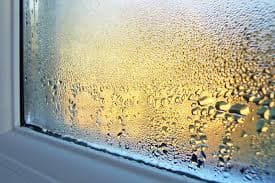
The air inside a home always contains water vapor, produced by breathing, cooking, showering, drying laundry, or plants. When this humid air meets a colder surface, the vapor settles as droplets: this is condensation.
Poorly ventilated homes, cold rooms, and thermal bridges encourage this phenomenon. It often becomes worse in colder seasons, when the temperature difference between indoor air and wall surfaces is greater.
Typical rooms and areas
Condensation builds up where air circulates poorly and surfaces are cold.
Observing these areas helps distinguish an air problem from one coming from the wall itself.
- Corners between walls and ceiling
- Upper parts of walls and behind furniture
- Cupboards and poorly heated rooms
- Bathrooms, kitchens, and poorly ventilated bedrooms
- Cellars and basements
Does the damp keep coming back?
A fresh coat of paint will not stop water moving through a wall. MURSAIN finds the cause and uses the treatment that fits the building, dealing with the problem at its source.
Grey or black mold: a cautious reading
Grey or black marks often appear where condensation is recurrent. They point to discomfort and airborne moisture that needs correcting.
Interpretation must remain cautious: the color of the marks alone is not enough to draw a conclusion, and MURSAIN does not provide health diagnoses online. In cases of major or persistent growth, a qualified inspection is preferable.
Difference between condensation and moisture inside the wall
Condensation comes from the surrounding air and settles on surfaces. Moisture contained inside the wall (rising damp, water damage) instead comes from the building fabric and migrates toward the surface.
The signs differ: condensation usually appears higher up, in corners, or behind furniture, while rising damp more often marks the bottom of walls with a damp tide mark or salt deposits. A home can have both at once, which is why diagnosis is better than a rushed conclusion.
Role of air treatment
Air treatment aims to control the moisture contained in the air. Improving air renewal, reducing vapor sources, and treating sensitive areas can reduce condensation and mold growth.
Depending on the case, it complements what already exists and can improve conditions in sensitive spaces such as basements.
When a dehumidifier helps or is not enough
A dehumidifier can help when the issue really comes from overly humid air, as a supplement or in a room that is difficult to ventilate.
On the other hand, if the walls are still receiving water (rising damp, leak), the device will reduce humidity in the air without removing the cause inside the wall. That is why choosing equipment is best preceded by an analysis.
Frequently asked questions
How can you tell condensation from rising damp?
The location of the signs (height, corners, wall base), the season, and humidity measurements help, but diagnosis helps structure the possibilities and avoid jumping to conclusions.
Is ventilation enough to solve a condensation problem?
It can improve the situation, but it does not always solve chronic condensation or another moisture cause present at the same time.
Is black mold dangerous?
MURSAIN does not provide health diagnoses online. In cases of major or persistent growth, it is best to involve a qualified professional and treat the cause of the moisture.