
Short answer
In a bathroom, humidity most often comes from condensation linked to water vapor. Insufficient ventilation makes it worse. If the signs are concentrated at the base of the wall, another cause should be checked.
Why bathrooms are vulnerable
Showers and baths release a lot of water vapor into what is often a small space. When this warm, humid air meets cold surfaces (tiles, mirror, exterior wall), it condenses.
Insufficient or blocked ventilation prevents damp air from escaping, which encourages mold and blackened joints.
Typical signs
Some signs are characteristic of excess moisture in the air.
Their location helps distinguish condensation from humidity coming from the wall.
- Persistent misting on cold surfaces
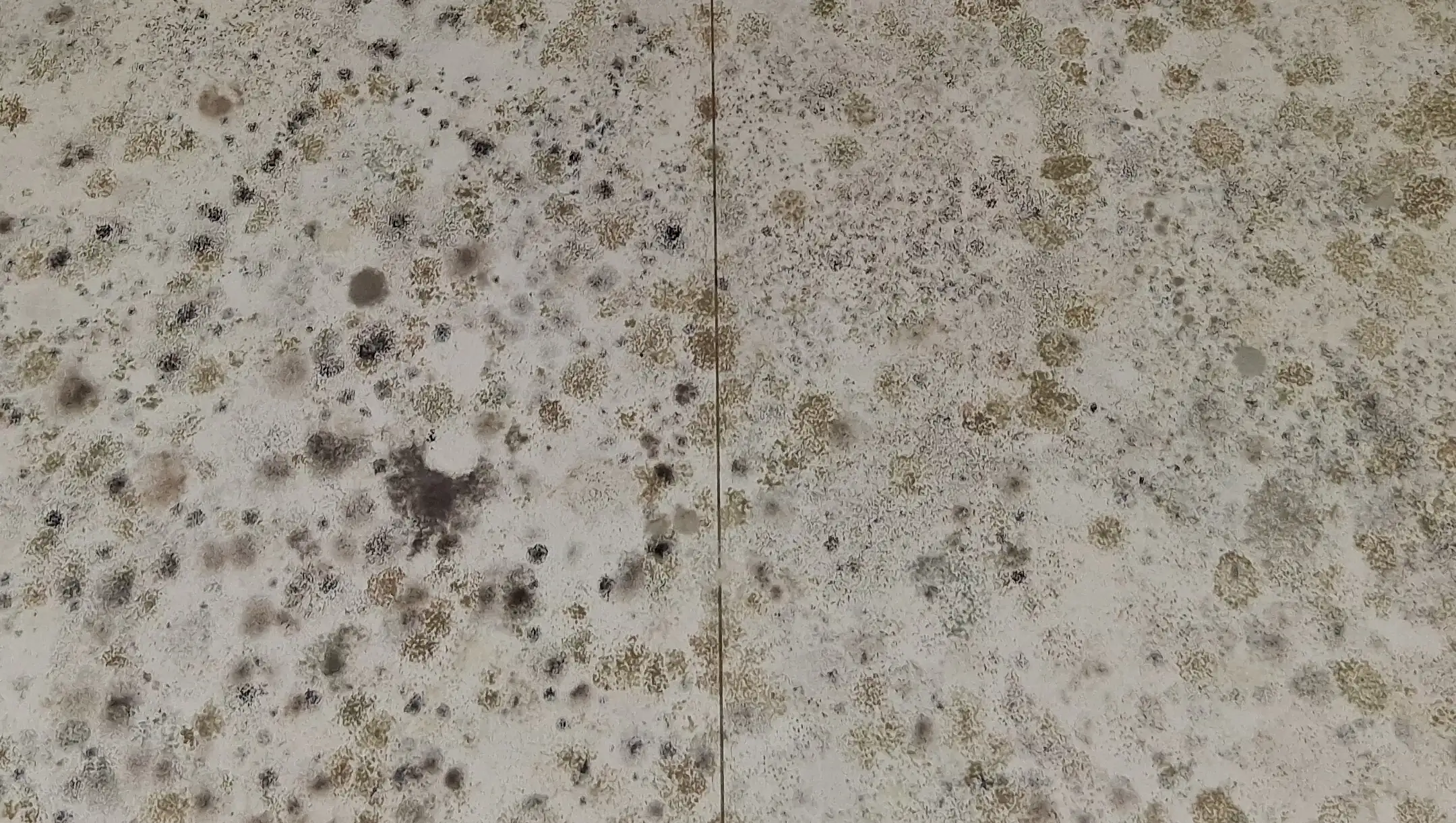
- Mold in corners and on joints
- Paint bubbling high on the wall or on the ceiling
- A damp smell that lingers after airing out
Does the damp keep coming back?
A fresh coat of paint will not stop water moving through a wall. MURSAIN finds the cause and uses the treatment that fits the building, dealing with the problem at its source.
Condensation or wall moisture?
If the damage is located high up, in corners, or on joints, condensation is the most likely path.
By contrast, a damp band or salt deposits at the base of the wall, or a mark that persists regardless of showers, may indicate another cause that needs checking.
What can help
Improving air renewal, checking ventilation, and limiting stagnant vapor often reduce condensation.
If the signs persist or are located at the base of the wall, a diagnosis helps distinguish overly humid air from a problem in the building itself.
Frequently asked questions
Does mold on joints always come from condensation?
It is the most common cause in a bathroom, especially without effective ventilation. But signs at the base of the wall deserve additional checking.
Should you treat the walls or improve ventilation first?
That depends on the cause. If the air is too humid, ventilation is the priority; if the wall is the issue, a diagnosis points to the right solution.