
Short answer
Infiltration comes from external or localized water entry (facade, roof, pipe), whereas rising damp comes from the base of the wall. Locating and dating the mark helps with orientation, but a diagnosis is still necessary.
What is meant by infiltration
Infiltration is water entering the building through a weak point: cracked facade, damaged joint, roof, terrace, window frame, or pipe.
Unlike capillary rise, which starts from the ground and moves upward, infiltration can affect higher or localized areas, sometimes far from the floor.
Infiltration, leak, or rising damp?
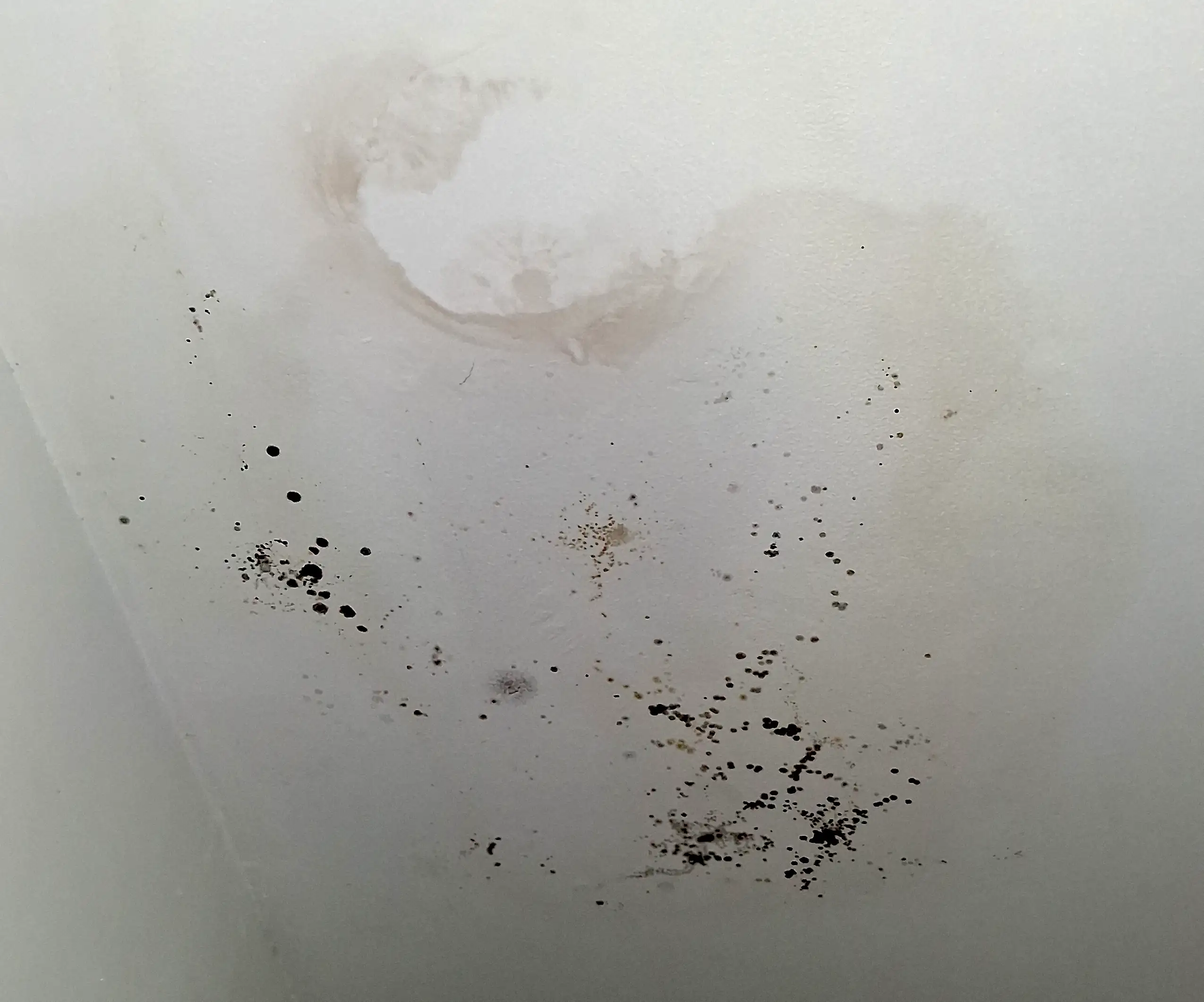
The location of the mark is a first clue: the base of a wall suggests rising damp, while an area near a window or ceiling suggests infiltration or a leak.
The timing also matters: a mark that worsens after heavy rain points to infiltration, while a mark linked to a pipe can evolve independently of the weather.
- Mark high up or around an opening -> possible infiltration
- Worsening after rain -> possible facade or roof infiltration
- Base of wall with a white edge -> possible rising damp
- Localized mark near a pipe -> possible leak
Does the damp keep coming back?
A fresh coat of paint will not stop water moving through a wall. MURSAIN finds the cause and uses the treatment that fits the building, dealing with the problem at its source.
Why you should not hide the mark
Repainting or covering an infiltration mark without treating the water entry point exposes you to seeing it reappear.
Identifying the source allows action in the right place: waterproofing, leak repair, or treatment of another cause if the diagnosis confirms it.
Preparing the diagnosis
Note the exact location of the mark, its height, its evolution, and any link to rain or a specific use.
Dated general and close-up photos help MURSAIN orient the hypotheses before a possible on-site diagnosis.
Frequently asked questions
How can you tell whether a stain comes from infiltration or rising damp?
The height of the mark, its location, and its link to rain provide clues. Rising damp starts from the base of the wall, while infiltration can appear higher up or around an opening. The diagnosis confirms the cause.
Can infiltration cause salt deposits?
A lasting water input can maintain moisture in the wall and promote deposits. The exact cause must be confirmed to treat the right source.