
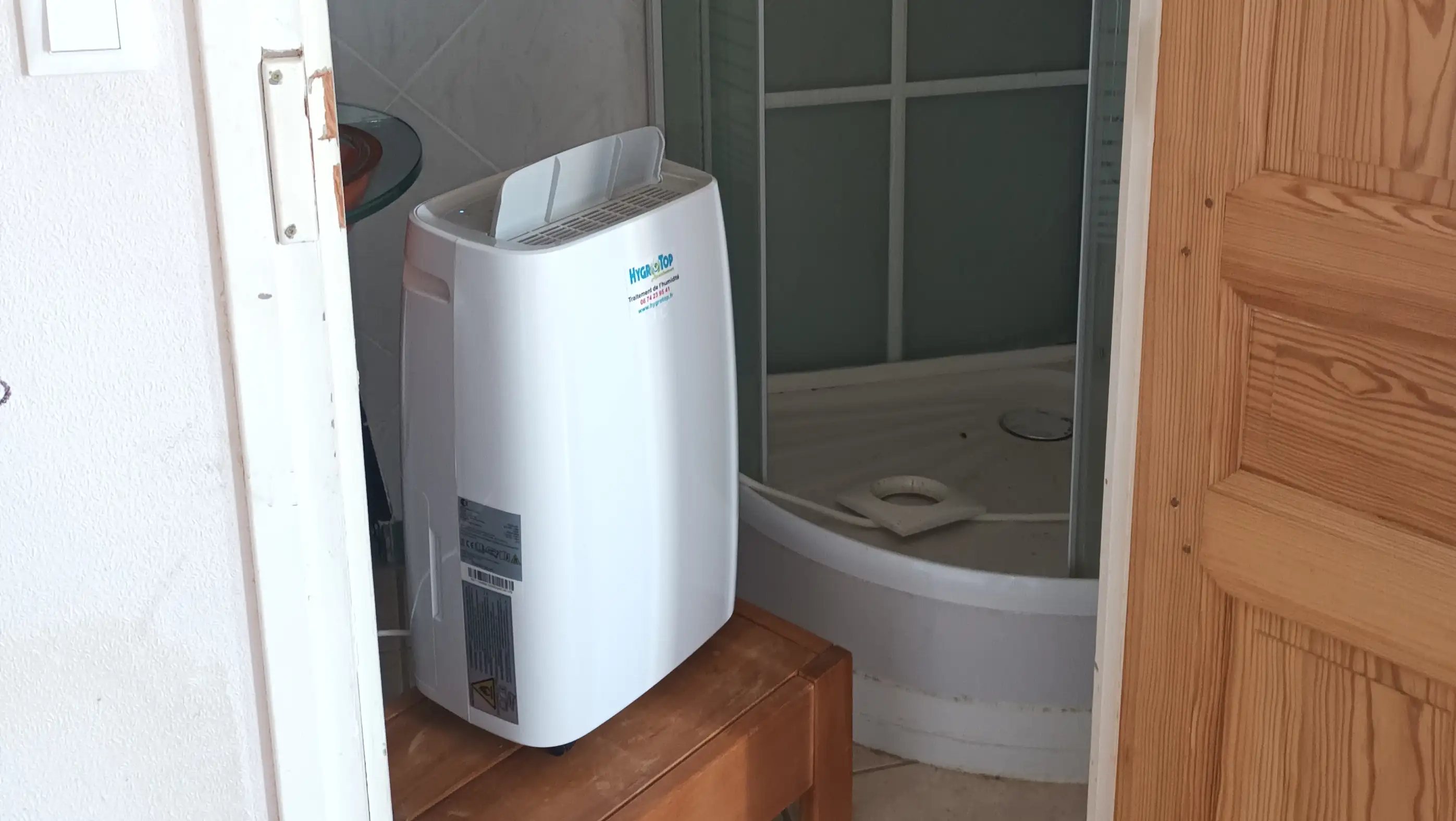
Dehumidifier
By condensation
It cools the air until the water vapour liquefies, then collects it. Effective from around 15 °C, it becomes more efficient as temperatures rise.
Ideal for living spaces and temperate rooms.
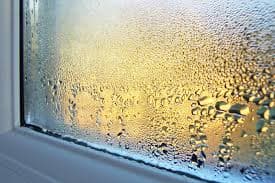
Air moisture advice
Before buying, it is better to choose the device according to the room, its temperature and the real issue. MURSAIN helps you distinguish the technologies, size the right device, and recognise the cases where no dehumidifier will be enough.
In brief
To choose a dehumidifier, the decisive criterion is the room temperature: from around 15 °C, a condensation unit is suitable; in a cold space, an adsorption dryer remains effective. Then you adjust capacity to the volume, the drainage mode and the noise level. But a dehumidifier acts on the air: it treats neither rising damp in the wall nor a saturated structure after water damage.
Both device families capture moisture from the air, but their operating range differs. That is the first thing to look at before anything else.
By condensation
It cools the air until the water vapour liquefies, then collects it. Effective from around 15 °C, it becomes more efficient as temperatures rise.
Ideal for living spaces and temperate rooms.
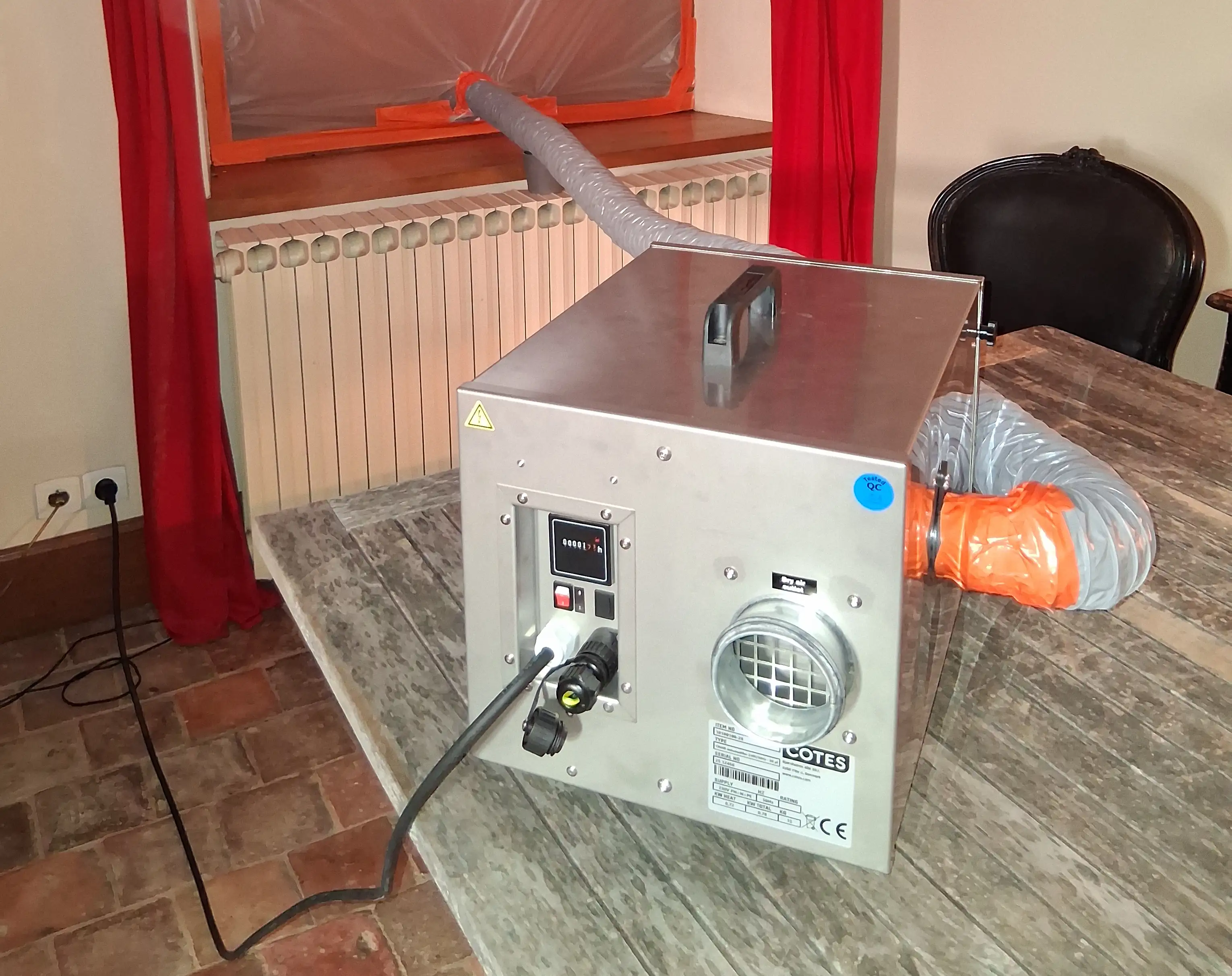
By adsorption
A hygroscopic material binds the water vapour on its surface. It works even at low temperature, but loses efficiency above 35-40 °C.
Suited to cold spaces, cellars and underground basements.
Criterion number one: condensation for a temperate room, adsorption for a cold space. Choosing the wrong technology means paying for disappointing performance.
The larger the room, the higher the extraction capacity must be. An undersized device runs continuously without truly drying the space.
Comfort in a living room, drying clothes, protecting storage, fitted-out cellar: the objective guides the settings and the type of device.
A tank to empty for occasional use, or continuous drainage to a drain point for prolonged operation in a space that is not often visited.
Important in a bedroom or living space, secondary in a cellar. It should be checked based on the planned location.
A dehumidifier complements ventilation; it does not replace it. Airing and ventilation remain the first measures against condensation.
MURSAIN does not publish universal numerical capacities: proper sizing depends on each room. That is exactly the point of personalised advice.
These benchmarks help place your situation. They do not replace a diagnosis, which remains necessary as soon as the walls are involved.
| Situation | Recommended technology | Is a dehumidifier useful? | Is diagnosis advised? |
|---|---|---|---|
| Humid air in a temperate room | Condensation | Often useful | Depending on persistence |
| Cold cellar / basement | Adsorption | Useful depending on use | Yes if walls are affected |
| Saltpetre / damp band at the base of the wall | — | Not sufficient on its own | Yes (rising damp) |
| After water damage | Depending on temperature | As support for drying | Yes, structural drying must be checked |
A dehumidifier treats moisture in the air. When the water comes from the wall, rising damp that creates saltpetre and a damp band, the device only acts on what has evaporated into the air, never on the source inside the wall.
Likewise, after water damage, a saturated structure is dried with suitable structural drying equipment and checks inside the materials, not with a simple support dehumidifier.
Investing in a device without identifying the cause first means risking expense without lasting results. The right reflex is to identify the cause first.
Water rising in the wall
Saltpetre, damp band, crumbling plaster: this is rising damp, treated at the source by the MURSAIN process.
Saturated structure after a leak
Walls and floors must be dried before finishing work.
MURSAIN does not push a device by default. Describe the room, the symptoms and your objective: we guide your choice according to the real issue, a device when it is relevant, building treatment when acting on the air is not enough.
MURSAIN approach
A dehumidifier can be useful, but only if its role matches the real issue. Preliminary analysis avoids investing in an unsuitable device.
What to send us
The choice mainly depends on the room temperature, its volume and the intended use. For a temperate room (from around 15 °C), a condensation dehumidifier is suitable. For a cold space (cellar, unheated basement), an adsorption dryer remains effective where condensation technology loses performance. Then come extraction capacity suited to the volume, the drainage mode (tank or continuous drainage) and the noise level depending on the room.
Both extract moisture from the air, but with different technologies. The dehumidifier works by condensation: it cools the air until the water vapour liquefies, then collects it. It becomes effective from around 15 °C and gains efficiency as temperatures rise. The dryer (adsorption) binds water vapour on a hygroscopic material: it works even at low temperature, but loses efficiency above 35 to 40 °C. The choice therefore mainly depends on the room temperature.
Adsorption is a physical phenomenon in which molecules (gas or vapour) attach to the surface of a solid without penetrating it, unlike absorption, where the substance integrates into the material. This is the principle used by the dryer: a hygroscopic material captures the water vapour in the air, then releases it under the effect of heat so it can regenerate.
No. A dehumidifier acts on the moisture contained in the air. It does not treat rising damp in the wall (saltpetre, damp band at the base of the wall): that continues until it is neutralised at the source, which is what the MURSAIN process does. Nor does it replace the drying of a saturated structure after water damage. That is why a diagnosis matters as soon as the walls are involved.
A tank suits occasional, monitored use: it must be emptied regularly. For prolonged operation or a space that is not often visited (cellar, basement), continuous drainage to a drain point prevents the device from stopping once the tank is full. The right choice therefore depends on how often the space is visited and how long the device is meant to run.
Room-by-room uses and the case of below-ground spaces.
Air treatment →Use cases for indoor air treatment.
Moisture diagnosis →Identify the cause before choosing equipment.
Causes and effects of moisture →Distinguish rising damp, condensation and water damage.
Next step
Describe the room, the symptoms and your objective. MURSAIN guides your choice according to the real cause, with no obligation.
Treat the source so the damp does not keep coming back.