MURSAIN - specialist in building moisture issues
MURSAIN drying machines running in a room after water damage

MURSAIN solution

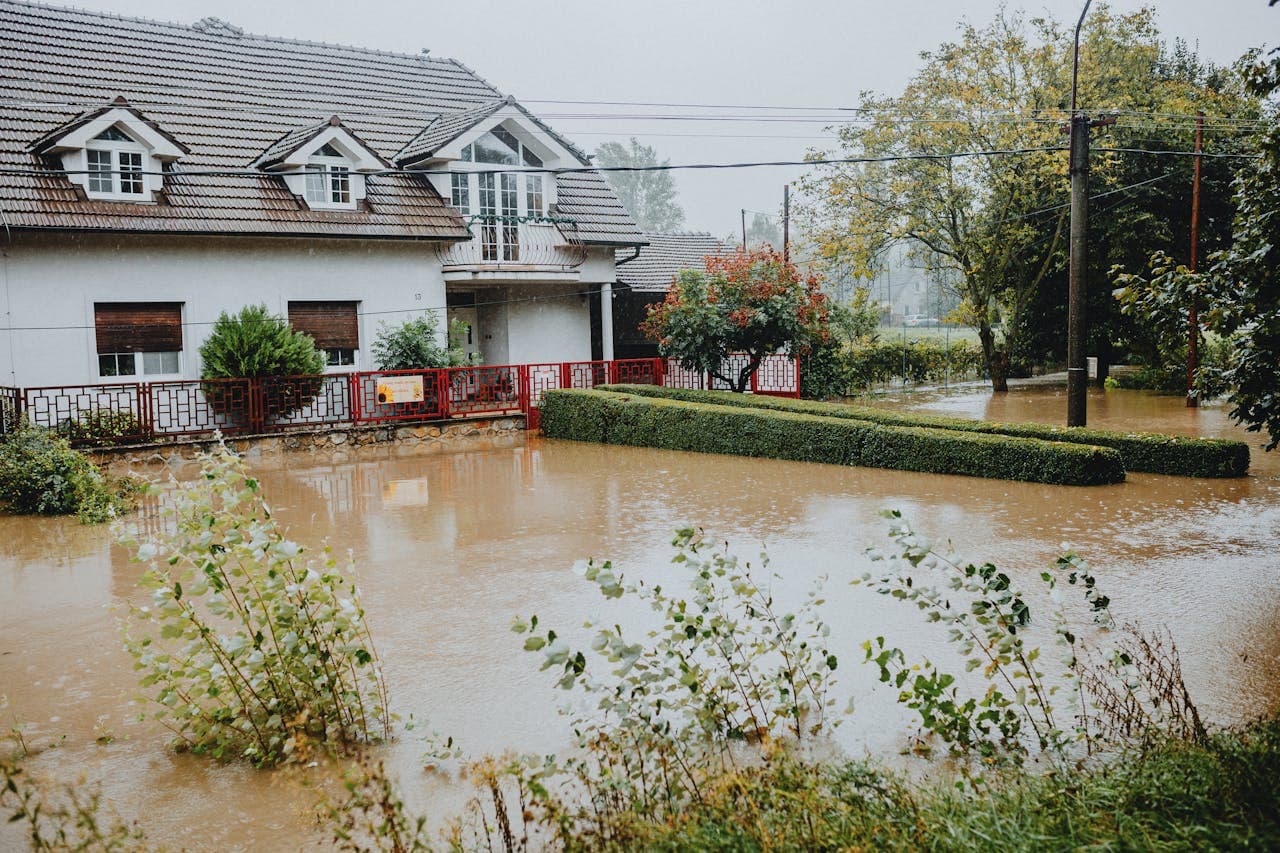
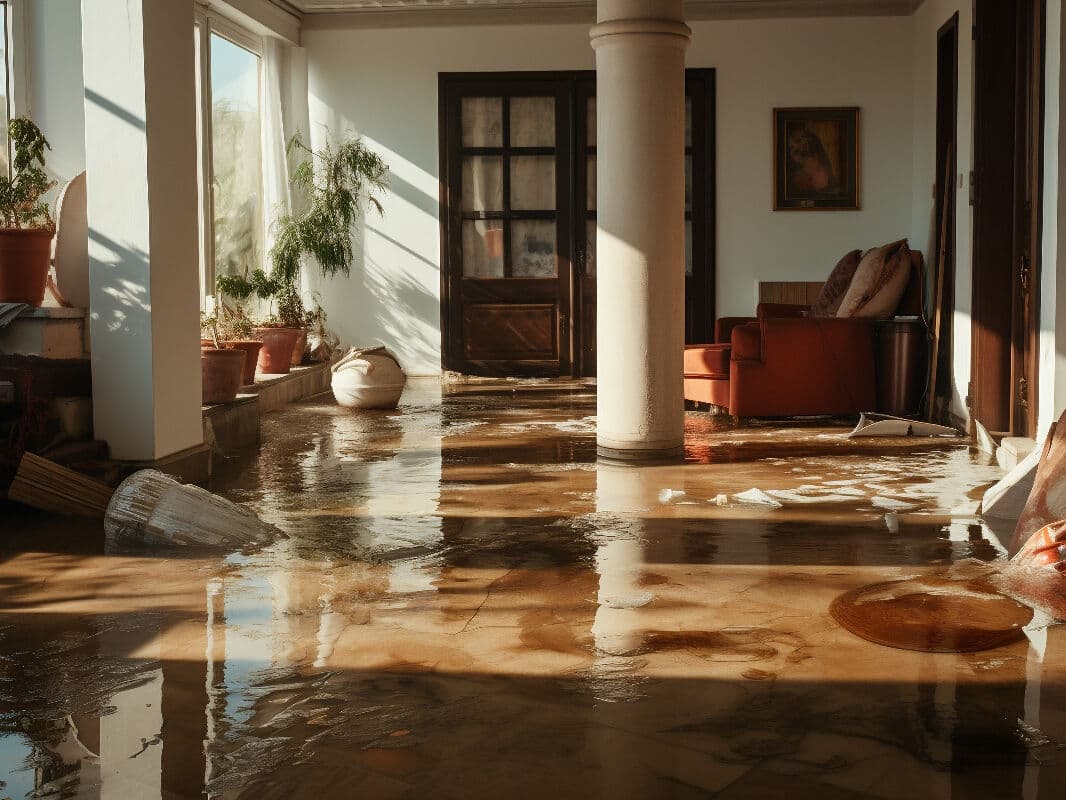
Water damage: dry before renovating

After a leak, overflow or incident, repaired water does not mean the water is gone. Walls and floors remain saturated deep down. MURSAIN dries structures with suitable equipment so that you restart from healthy supports and avoid doing the same work twice.

Renovating over a wall still saturated with water means renovating twice.

Once the leak is repaired or the flooding is over, the temptation is to repaint quickly and move on. But as long as the structure remains saturated, moisture continues to evaporate toward the surface and damages newly applied finishes.

Redo the work right away

You hide the water, it comes back out

  • Paint and render applied too early: blistering, peeling and stains reappear within a few weeks.
  • Wallpaper on a damp support: vapour dampens the adhesive, the covering swells and peels off.
  • Mould: a support that remains saturated creates ideal conditions for its development.
  • Common result: the finishes have to be redone, and the insurance file is weakened.
Drying by MURSAIN

We dry the structure, then renovate

  • Suitable equipment extracts water contained in walls and floors, not only at the surface.
  • Drying is measured, not assumed: the humidity level is checked in the support before finishes begin.
  • Healthy structures: render, paint and wallpaper last over time.
  • Useful readings document the incident for the insurer.

The machines MURSAIN uses for drying

Depending on the room, the temperature and the extent of the incident, MURSAIN selects and combines several devices. The goal is always the same: extract the water contained in the structures until the support is healthy, and verify it by measurement.

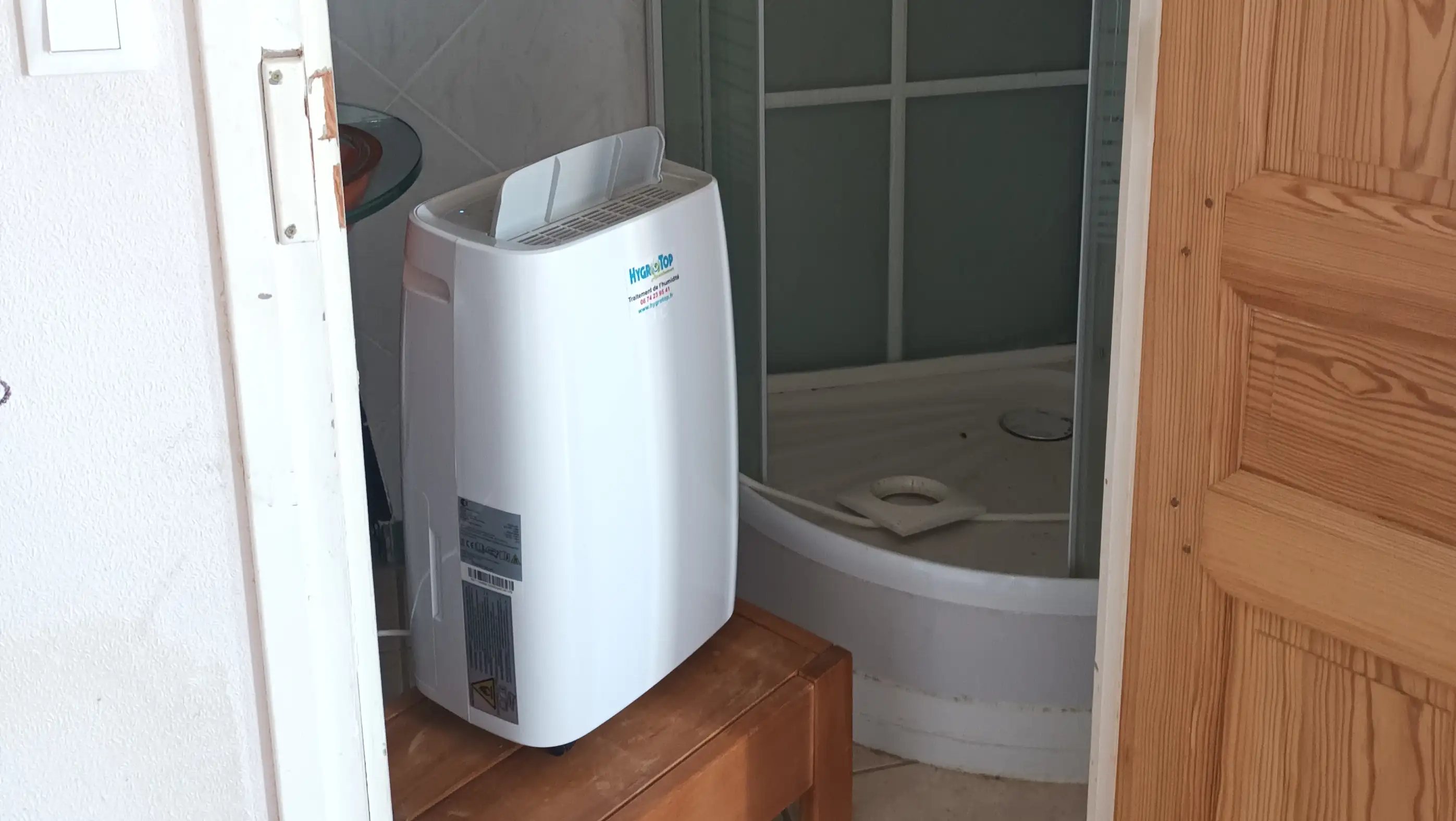
Site dehumidifier used by MURSAIN after water damage

Dehumidifier

By condensation

Effective from around 15 °C and more efficient as temperatures rise.

For living spaces and temperate rooms.

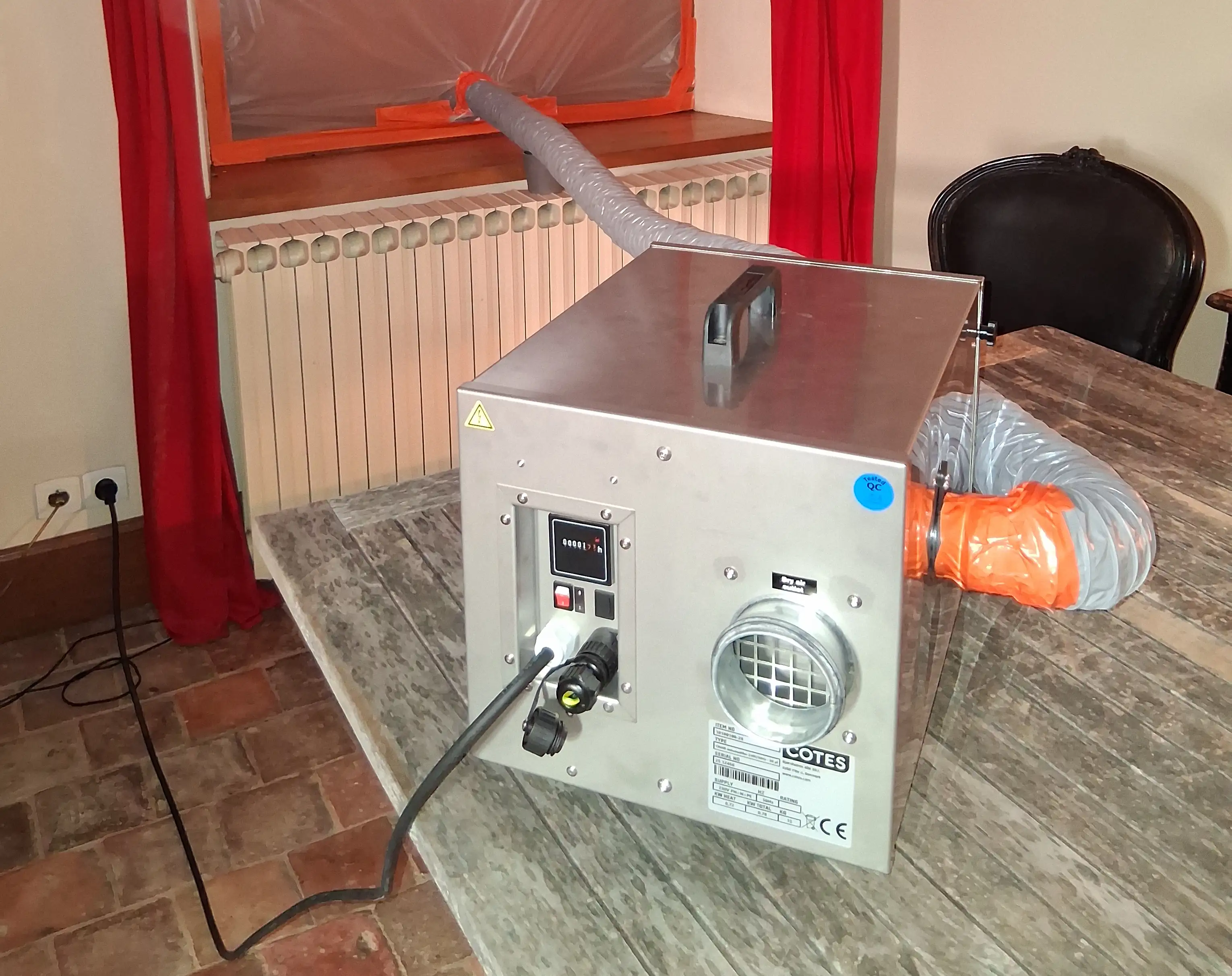
Adsorption dryer used by MURSAIN after an incident

Dryer

By adsorption

It works even at low temperature, where a condensation dehumidifier is less effective.

For cellars, basements and unheated rooms.

Air mover directed against a wall after water damage

Air mover

Surface drying

Strong air circulation along walls and floors accelerates surface evaporation and supports the work of the dehumidifiers.

Used on walls, floors and floor structures.

Learn more about air treatment and our devices

The right order of operations after an incident

MURSAIN technician checking wall moisture after installation of drying machines
1

Assess and analyse the incident

Affected areas, nature of the materials, duration of exposure to water and condition of coverings. This analysis also distinguishes water damage from any associated rising damp.

2

Dry the structures

MURSAIN installs suitable equipment to extract the water contained in walls and floors, not just at the surface.

3

Check before renovating

The humidity level in the walls is measured until a healthy structure is reached. Finishing work can then be considered under the right conditions.

In conjunction with HYGRO

When an incident reveals rising damp

Water damage sometimes draws attention to a wall that was already drawing moisture up from the ground. In that case, drying treats the incident water, but the capillary rise continues unless it is neutralised at the source.

That is where HYGRO complements the process: it acts on the physical mechanism that makes water rise in the wall. The diagnosis determines whether simple drying is enough, or whether the building also requires rising damp treatment.

Water damage: what you need to know

Do walls need to be dried before finishing work?

Yes. After water damage, structures remain saturated with moisture. Before render, paint or wallpaper, they must be dried so that finishing restarts on sound substrates. A finish applied to a support still full of water degrades quickly.

What device does MURSAIN use to dry after water damage?

The equipment depends on the conditions of the space. The dehumidifier works by condensation; the adsorption dryer remains effective at low temperature. Air movers accelerate surface evaporation. MURSAIN selects and combines the equipment according to the room, the temperature and the extent of the incident.

How long does it take to dry structures after water damage?

It depends on the nature of the materials, the duration of exposure to water and the extent of the incident. Drying must be measured and verified within the materials, not simply assumed from the surface appearance.

How can I tell whether a structure is properly dry?

A moisture reading in the materials is much more reliable than visual appearance. MURSAIN monitors the humidity level until the support is healthy enough to receive finishes.

Can water damage reveal rising damp?

Yes. An incident can draw attention to a wall that was already drawing moisture up by capillary action. In that case, drying treats the incident water, but the rise continues unless it is neutralised at the source. MURSAIN can therefore combine drying with HYGRO when analysis justifies it.

Does insurance cover drying?

That depends on your policy. A clear incident report and dated moisture readings may help to build the file, but the terms of cover must be checked with your insurer.

Next step

Need to dry water damage?

Describe the incident, the affected rooms and the condition of the walls. We assess your situation and guide you to the right intervention, with no obligation.