
Moisture guides
Guides to understand damp walls, saltpeter and condensation
These guides help you understand what is happening to your walls. MURSAIN can then trace the moisture to its source and choose the treatment that will keep it from coming back.
A stain, crumbling plaster or peeling wallpaper tells you that something is wrong. The cause may sit deeper in the wall. MURSAIN identifies it and chooses a treatment that deals with the source.
Symptoms
What you can see on the wall or in the room.
Wallpaper
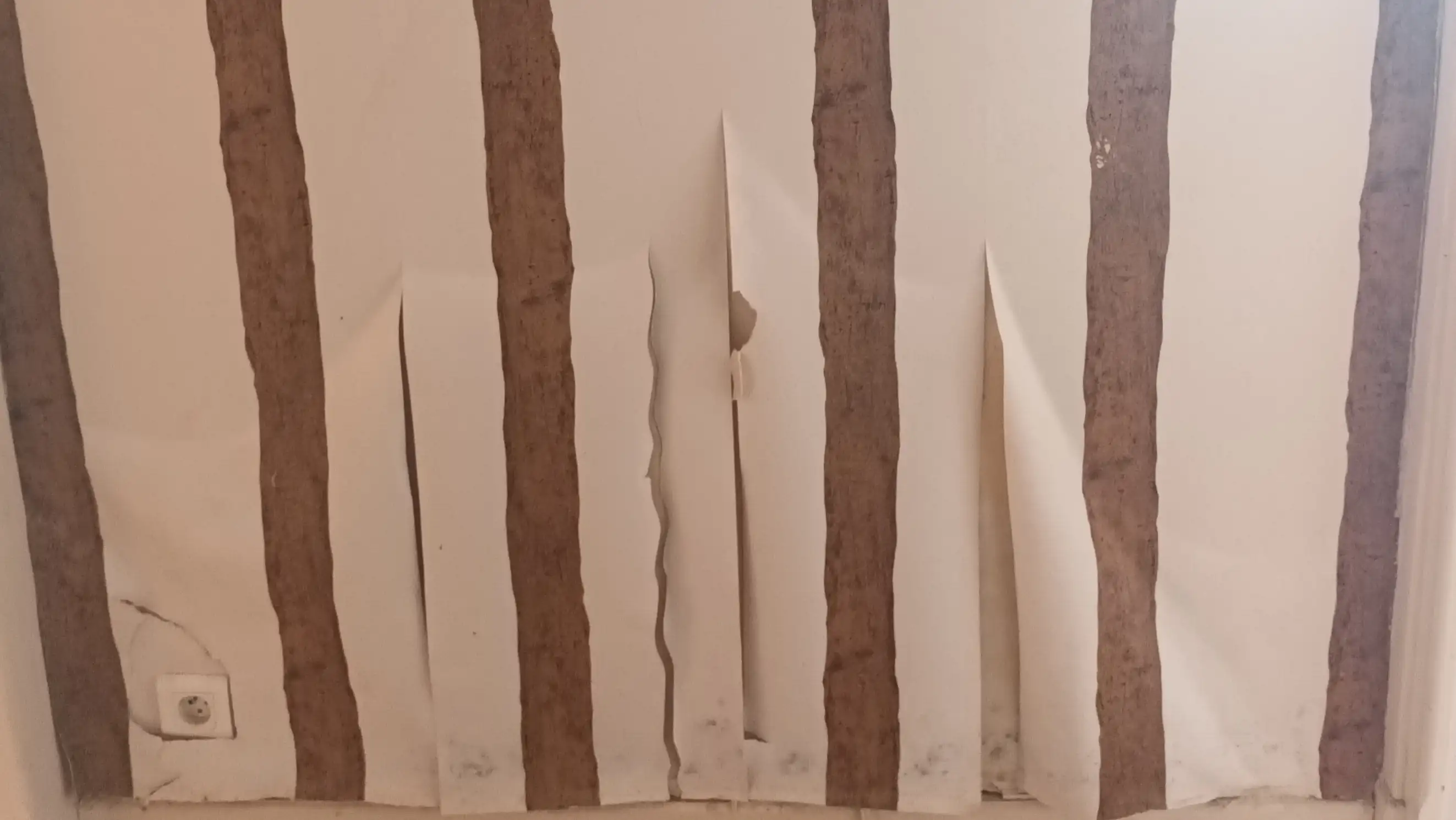
Peeling wallpaper: is humidity to blame?
Peeling wallpaper can be a sign of moisture contained in the wall, linked to rising damp or water damage.
Read the guide →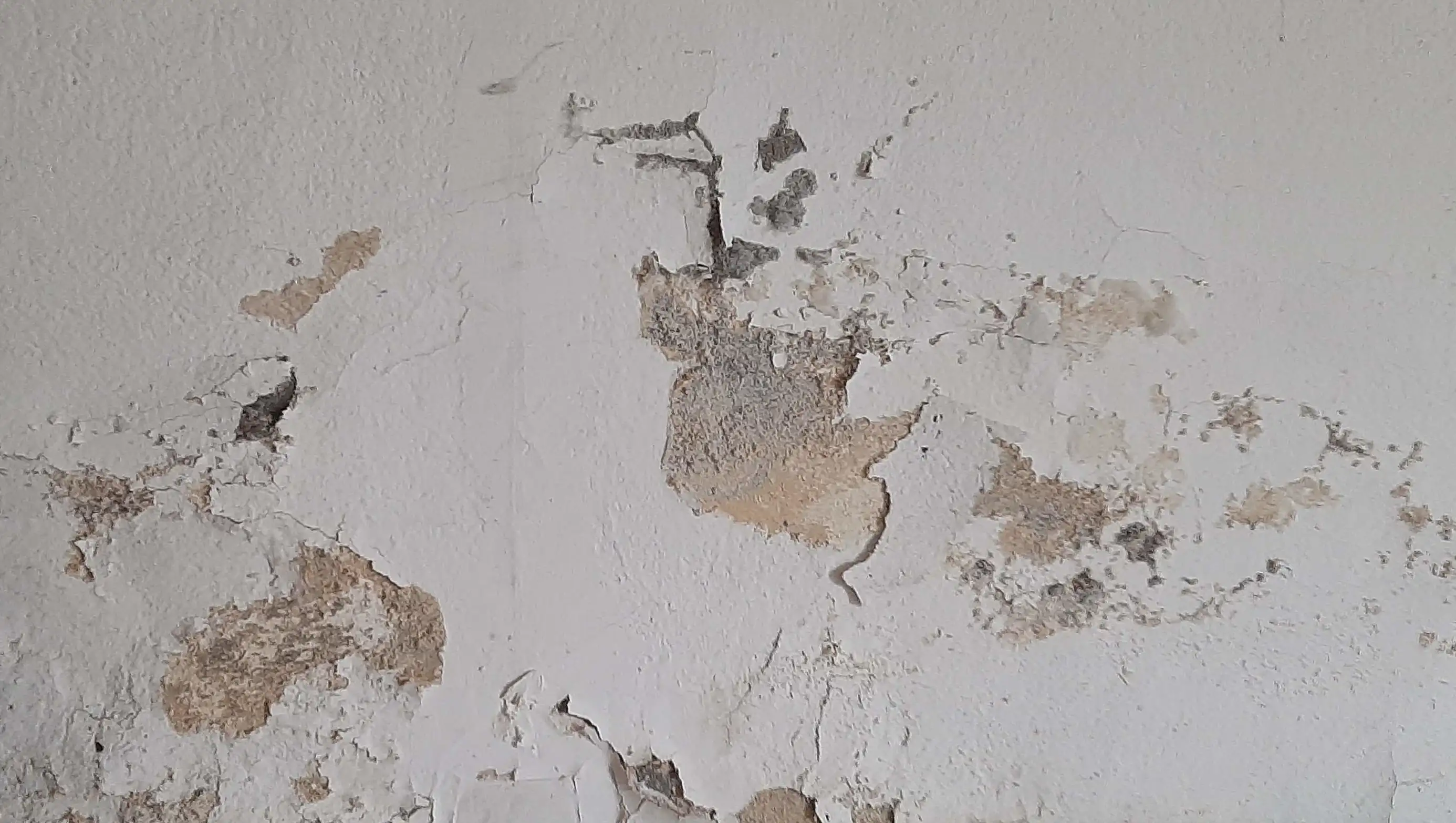
Paint
Flaking paint: should you suspect wall moisture?
Paint that blisters or flakes may be linked to moisture evaporating inside the wall. Repainting too quickly may hide the problem.
Read the guide →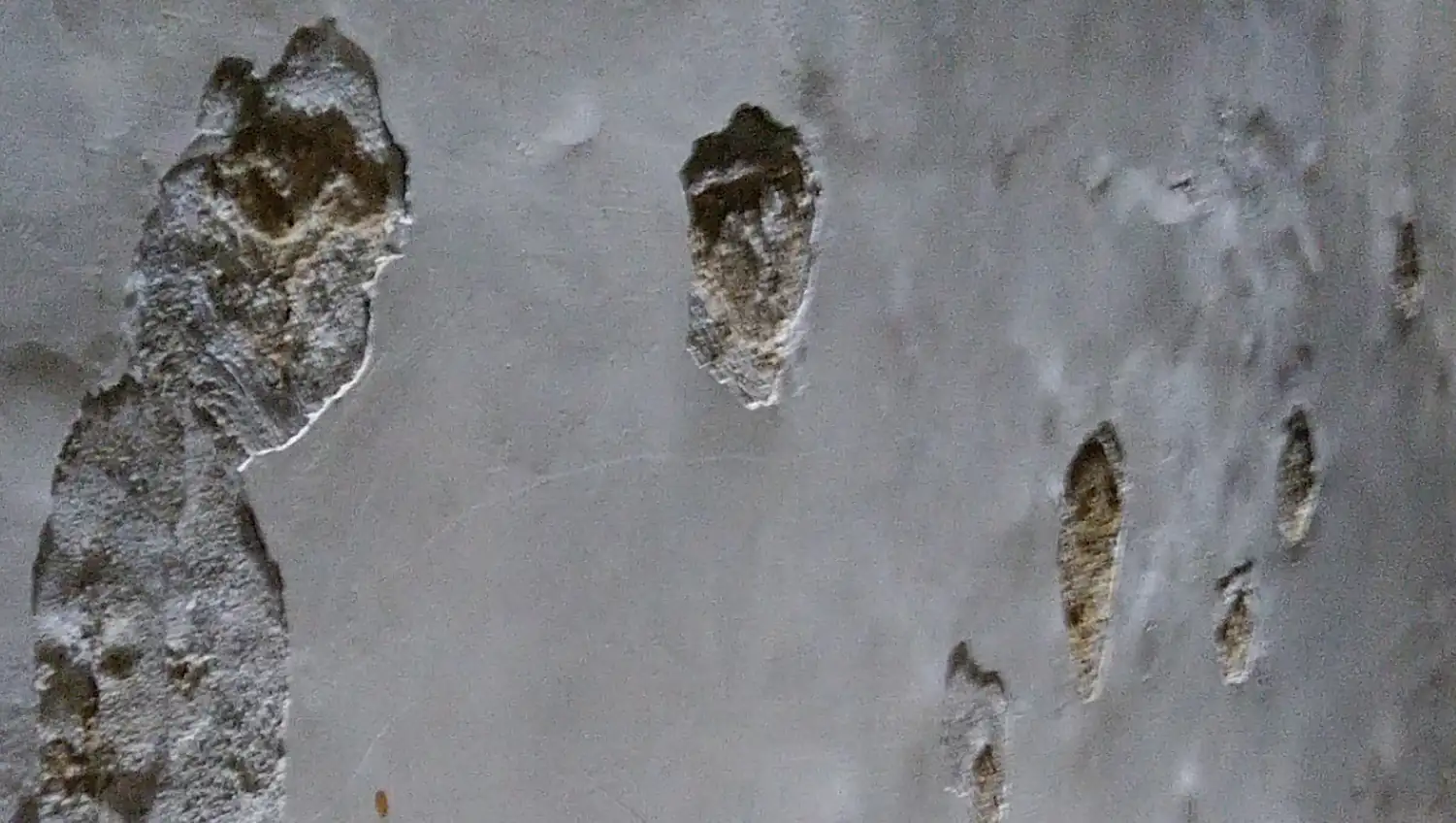
Plaster
Crumbling plaster: a possible sign of moisture in the wall
Crumbling, powdery plaster that comes away in patches is often a sign of active moisture in the wall. Rising damp, water damage, saltpeter: how to identify the real cause before redoing the plaster.
Read the guide →Saltpeter
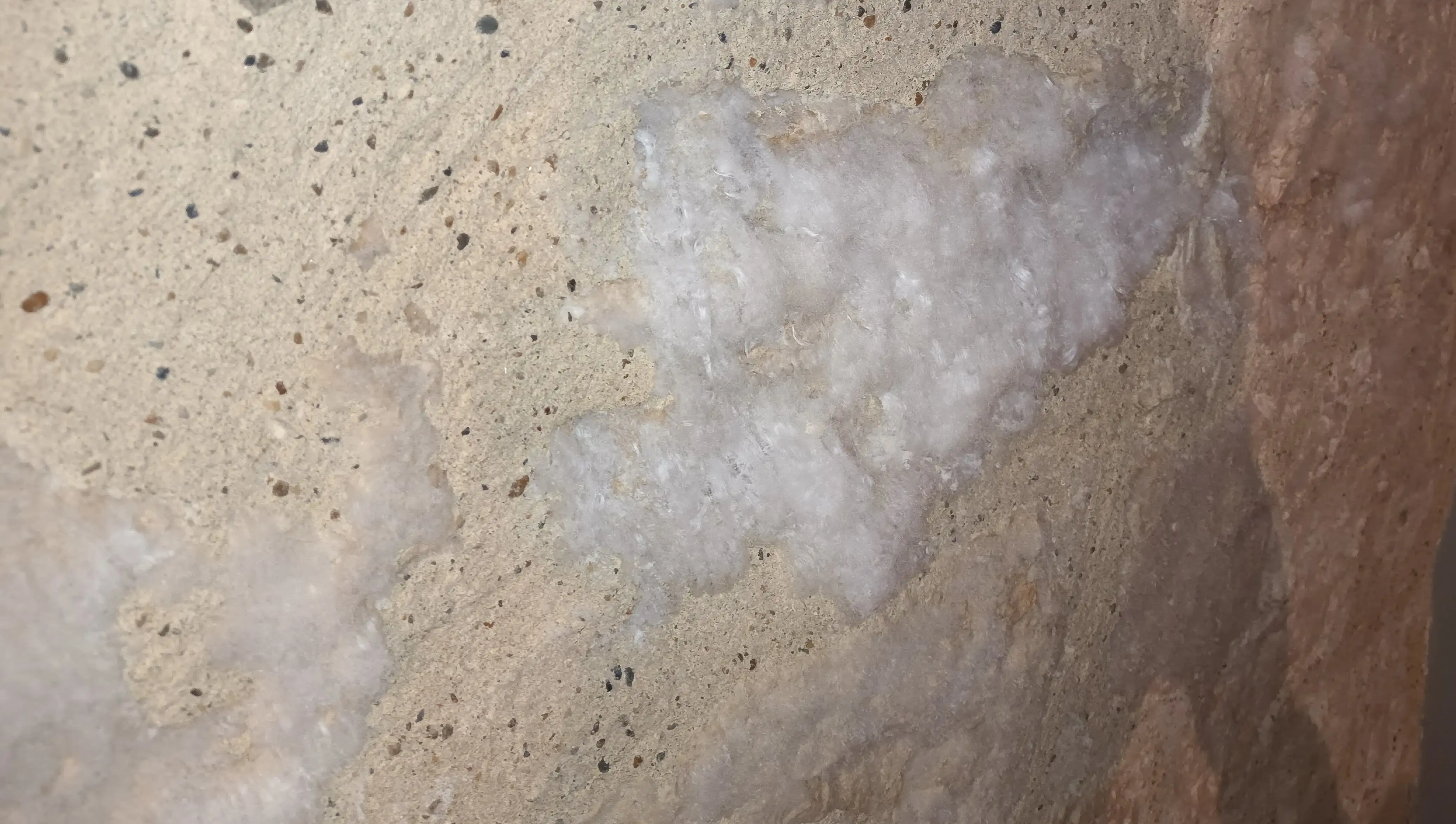
Why does saltpeter come back after cleaning?
Saltpeter may reappear if the source of the moisture is not treated. Key points for understanding the phenomenon before redoing a wall.
Read the guide →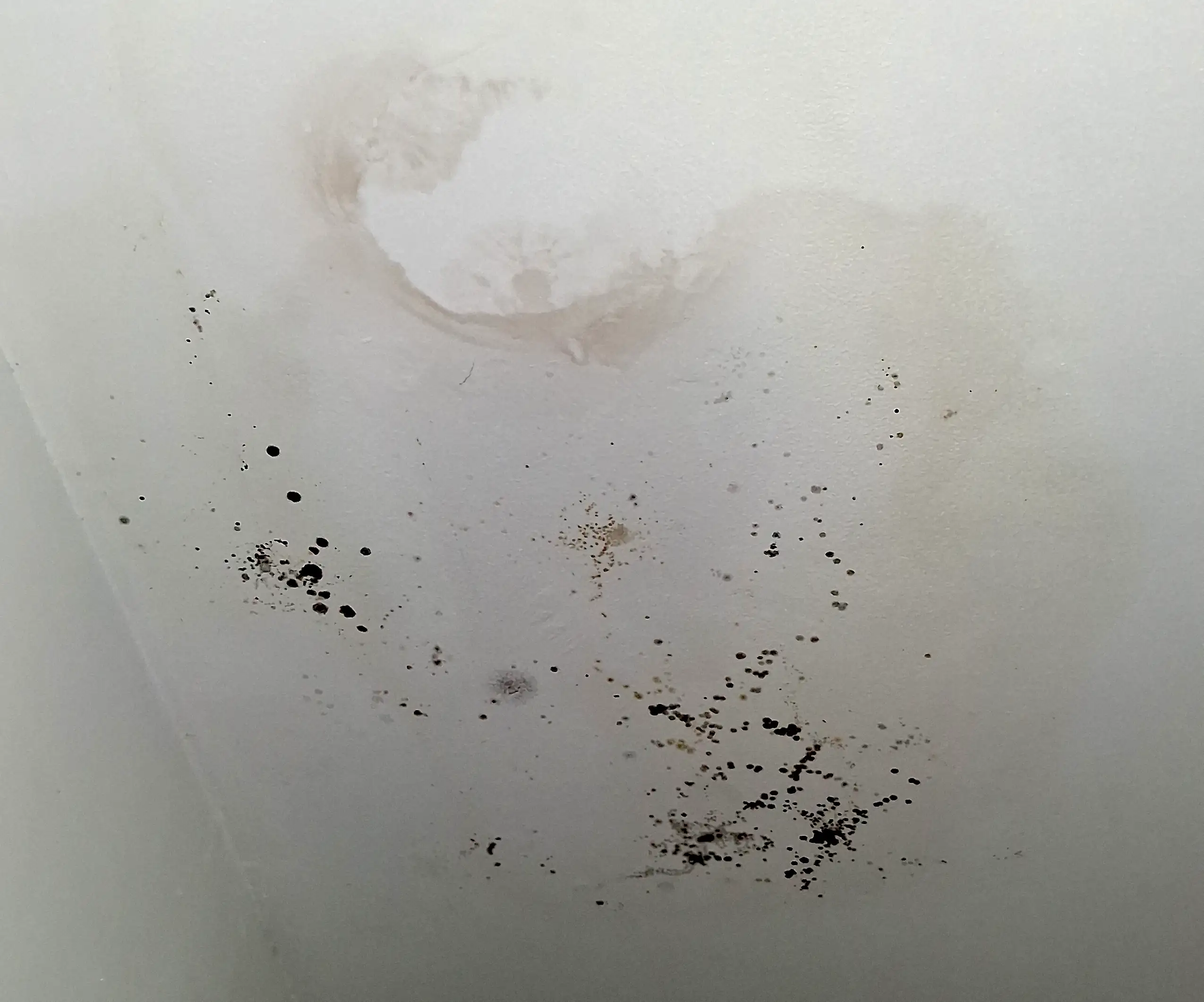
Damp wall
Damp wall before repainting: what should you check?
Repainting a damp wall too early may hide the problem. Here are the checks to make before decorative finishing work.
Read the guide →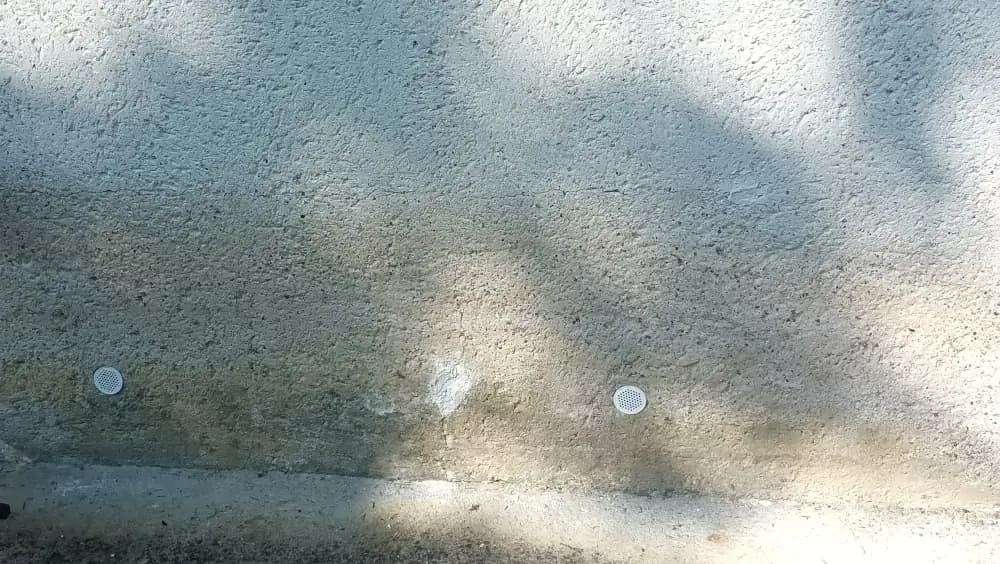
Damp band
Damp band at the bottom of walls: a sign of rising damp?
A damp band at the foot of a wall, sometimes with a white border, may indicate rising damp. How to interpret it.
Read the guide →Saltpeter
Saltpeter on walls: causes, risks for the building, what to do
Saltpeter on a wall often signals moisture that needs analysis. Possible causes, impacts on the building, and the right steps before works.
Read the guide →Causes
The possible origins to distinguish before treatment.
Mold
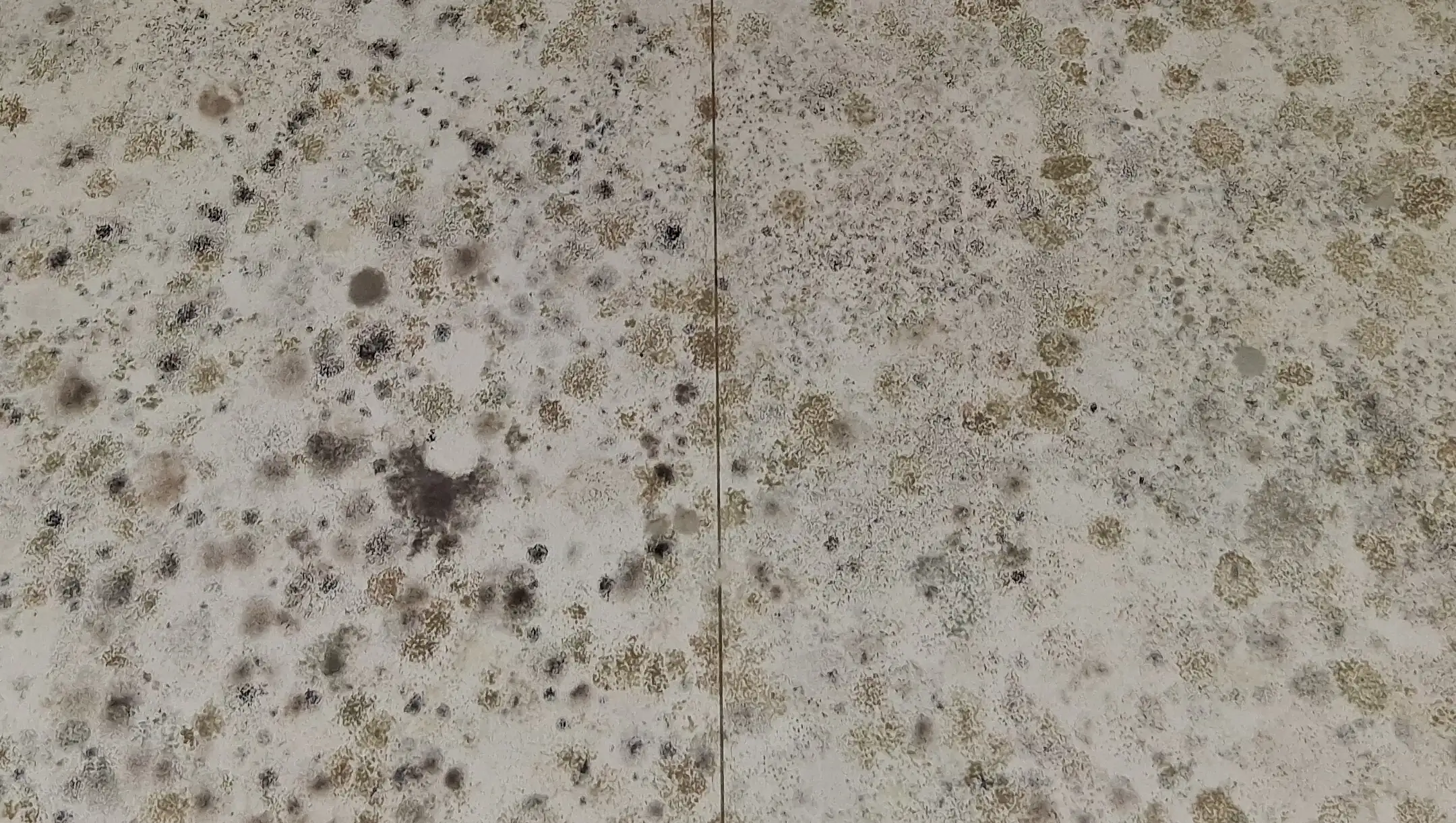
Gray/black mold and condensation: what should you understand?
Gray or black mold in corners, on upper walls, or behind furniture is often linked to condensation. Careful reference points.
Read the guide →Rising damp
Capillary rise: signs, causes and treatment
Understand capillary rise, its visible signs, and why a diagnosis matters before any treatment for a damp wall.
Read the guide →
Condensation
Condensation in a house: cautious causes and solutions
Condensation can cause mold and discomfort. Understand the possible causes before choosing an air-treatment solution.
Read the guide →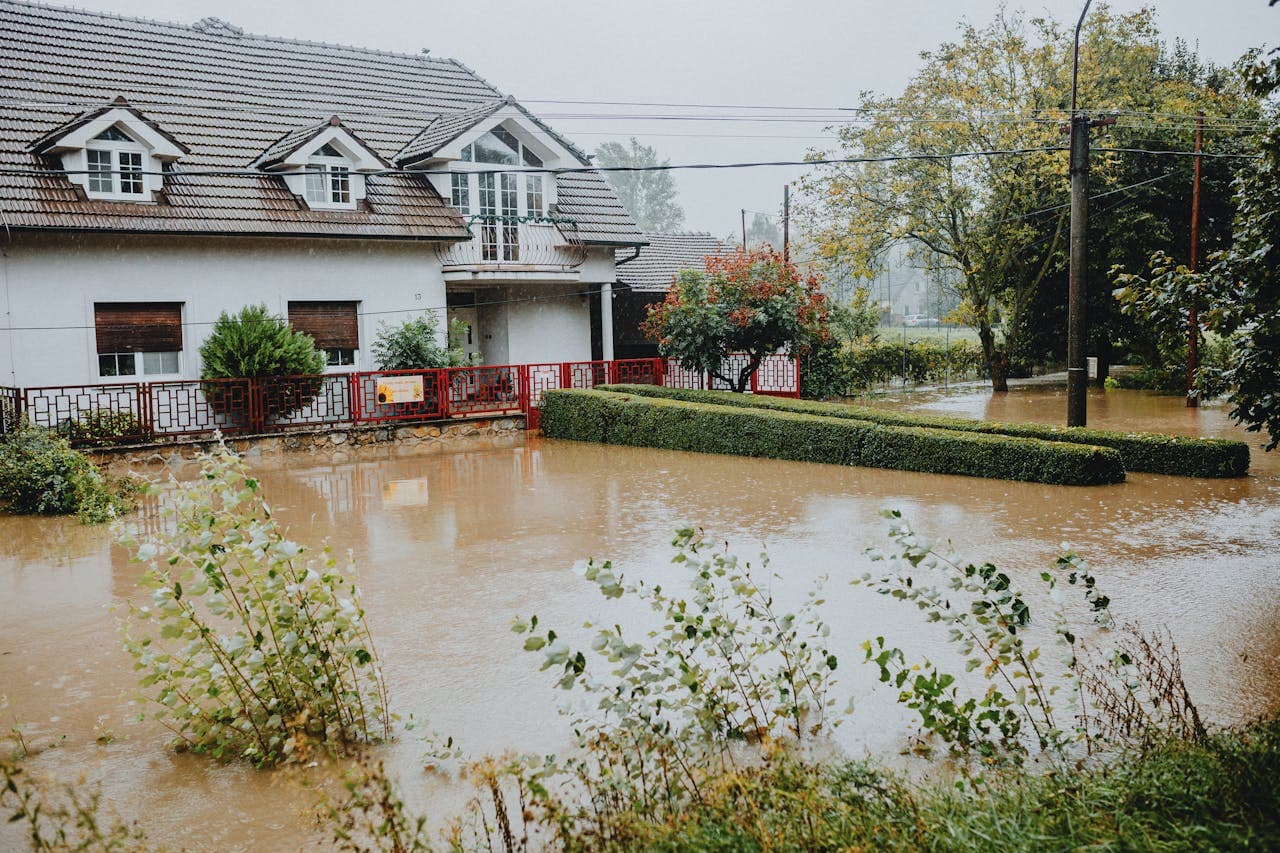
Water damage
Water damage: damp walls and drying before renovation work
After water damage, the structure can remain saturated. Why drying matters before render, paint, or wallpaper.
Read the guide →Infiltration
Water infiltration in a wall or leak: how can you tell the difference?
A damp mark can come from infiltration, a leak, or rising damp. Guidelines to distinguish these causes before treatment.
Read the guide →Solutions
The families of possible responses according to the cause.
Choosing the right solution
Dehumidifier or wall treatment: what is the difference?
A dehumidifier treats the air; a wall solution treats a cause present in the building. The two approaches do not address the same need.
Read the guide →Dehumidifier
Home dehumidifier: when is it useful?
A dehumidifier can help with humid air, but it does not replace treatment of the cause of a damp wall.
Read the guide →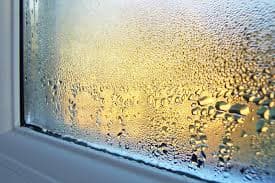
Basement dehumidifier
Cellar / basement dehumidifier: choose without getting it wrong
For a cellar or basement, the dehumidifier must be chosen according to the use, the volume, and the cause of the moisture.
Read the guide →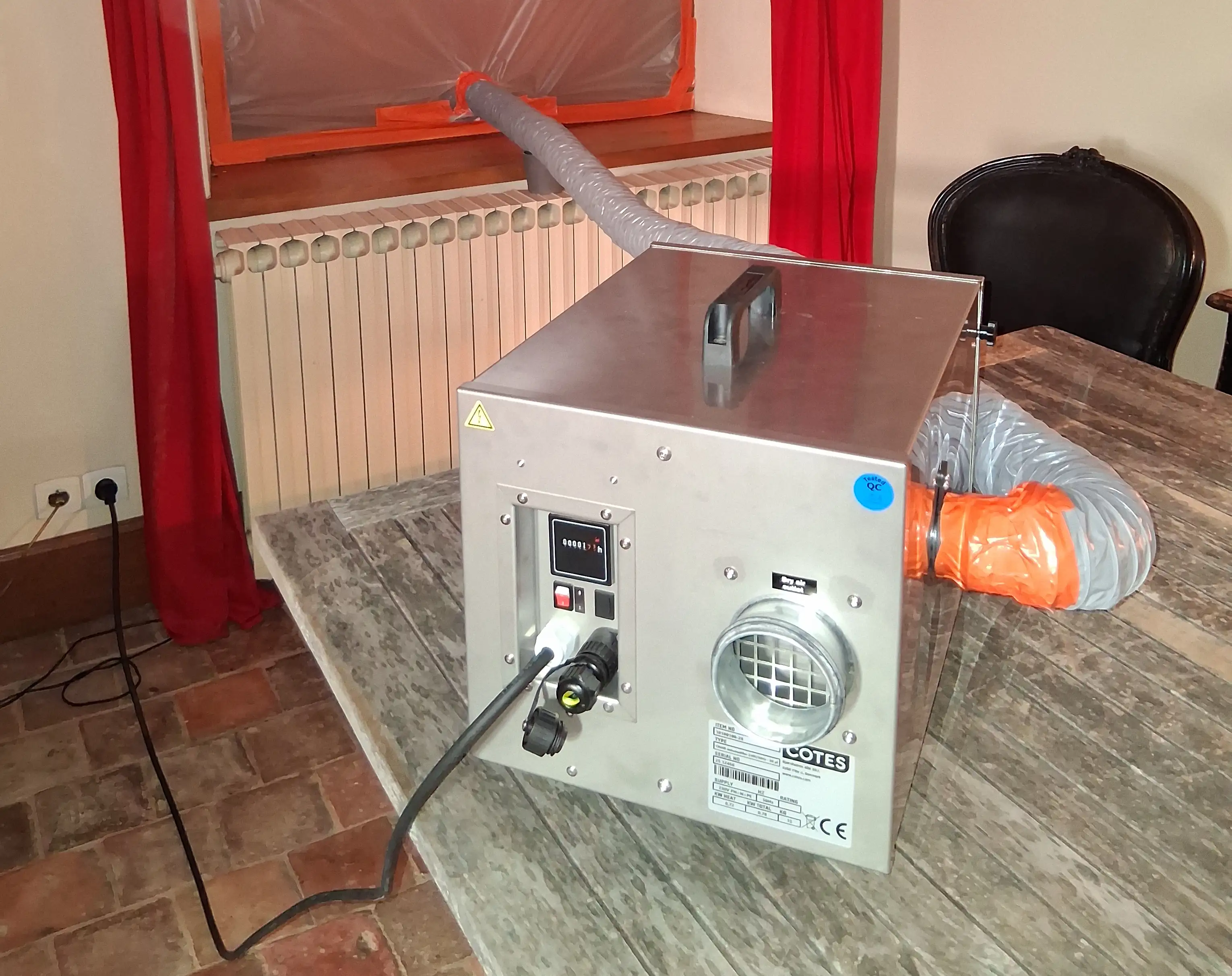
Treatment
Damp wall treatment: which solution for which cause?
A damp wall can come from rising damp, condensation, or water damage. The treatment depends on the identified cause.
Read the guide →Diagnosis
Guides to prepare a request, a quote, or a professional discussion.
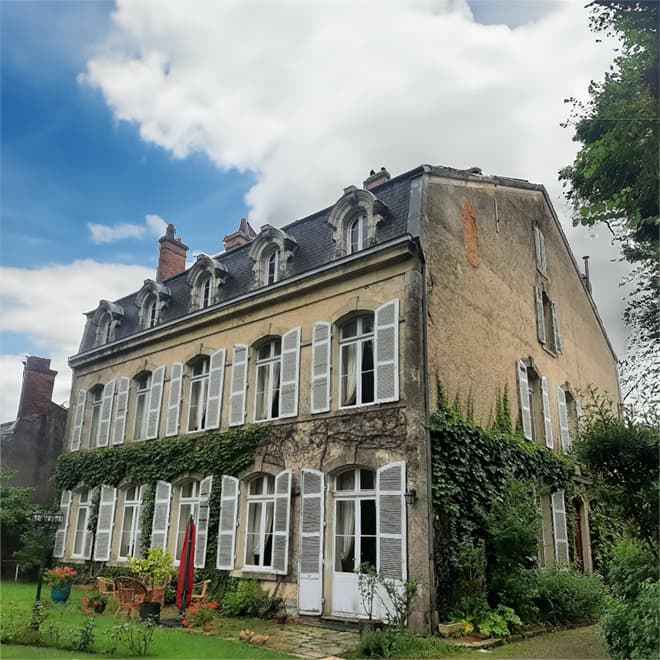
Older buildings
Moisture in an older house: mistakes to avoid
Older buildings must be understood before they are corrected. Hiding the effects can worsen the issues or waste time.
Read the guide →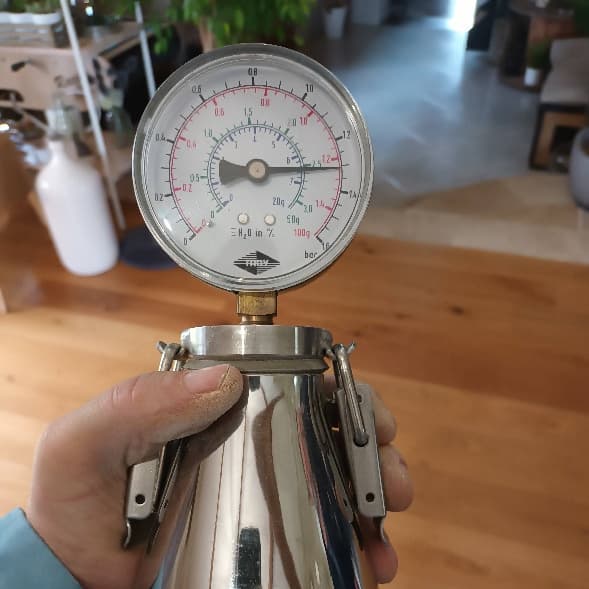
Humidity level
Home humidity level: how should it be interpreted?
A humidity reading must be interpreted with the room, the season, and visible symptoms. Guidelines to avoid jumping to conclusions.
Read the guide →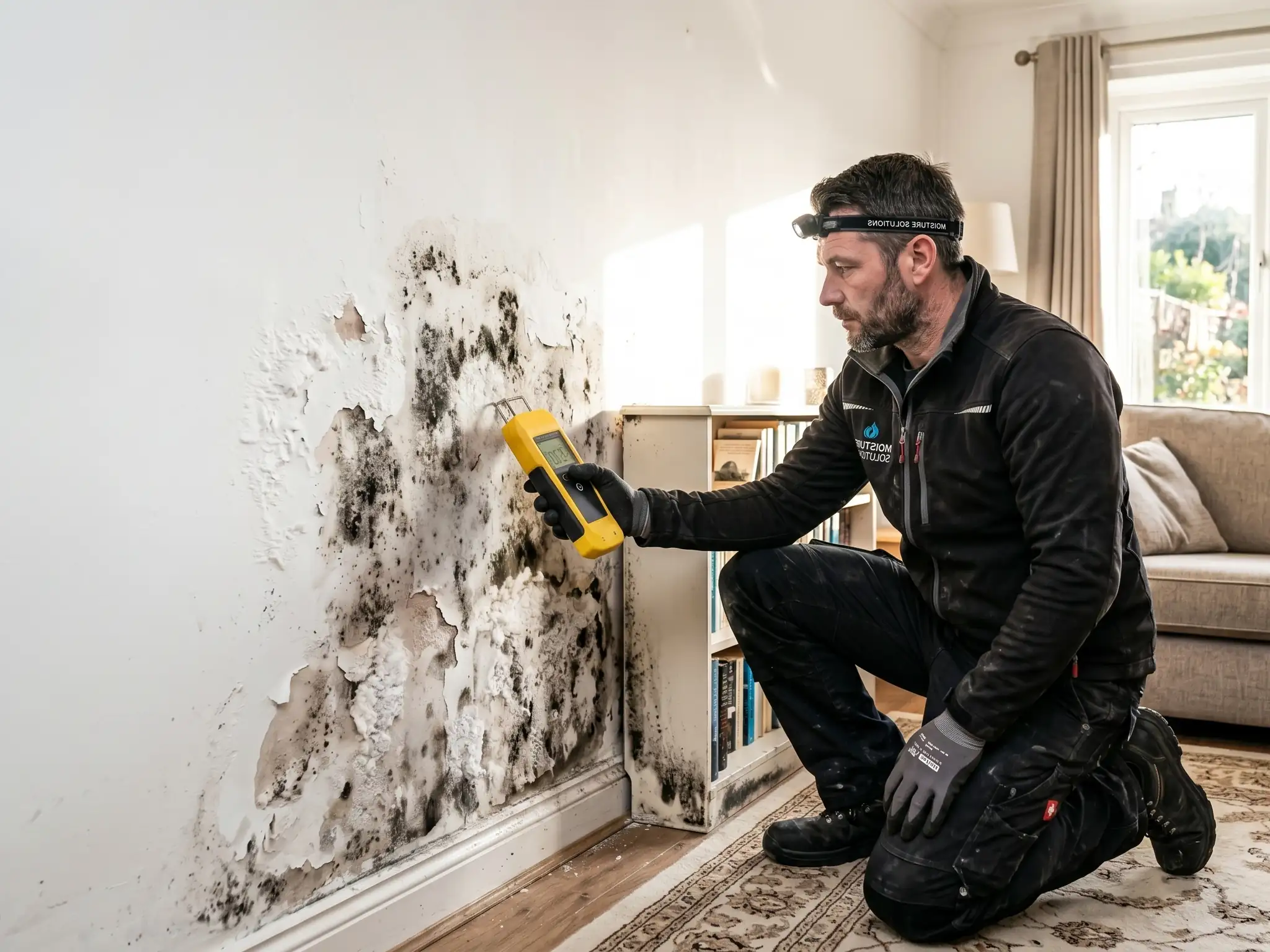
Diagnosis
Home damp diagnosis: process and value
Why start with a damp diagnosis before choosing a solution for walls, air, or water damage.
Read the guide →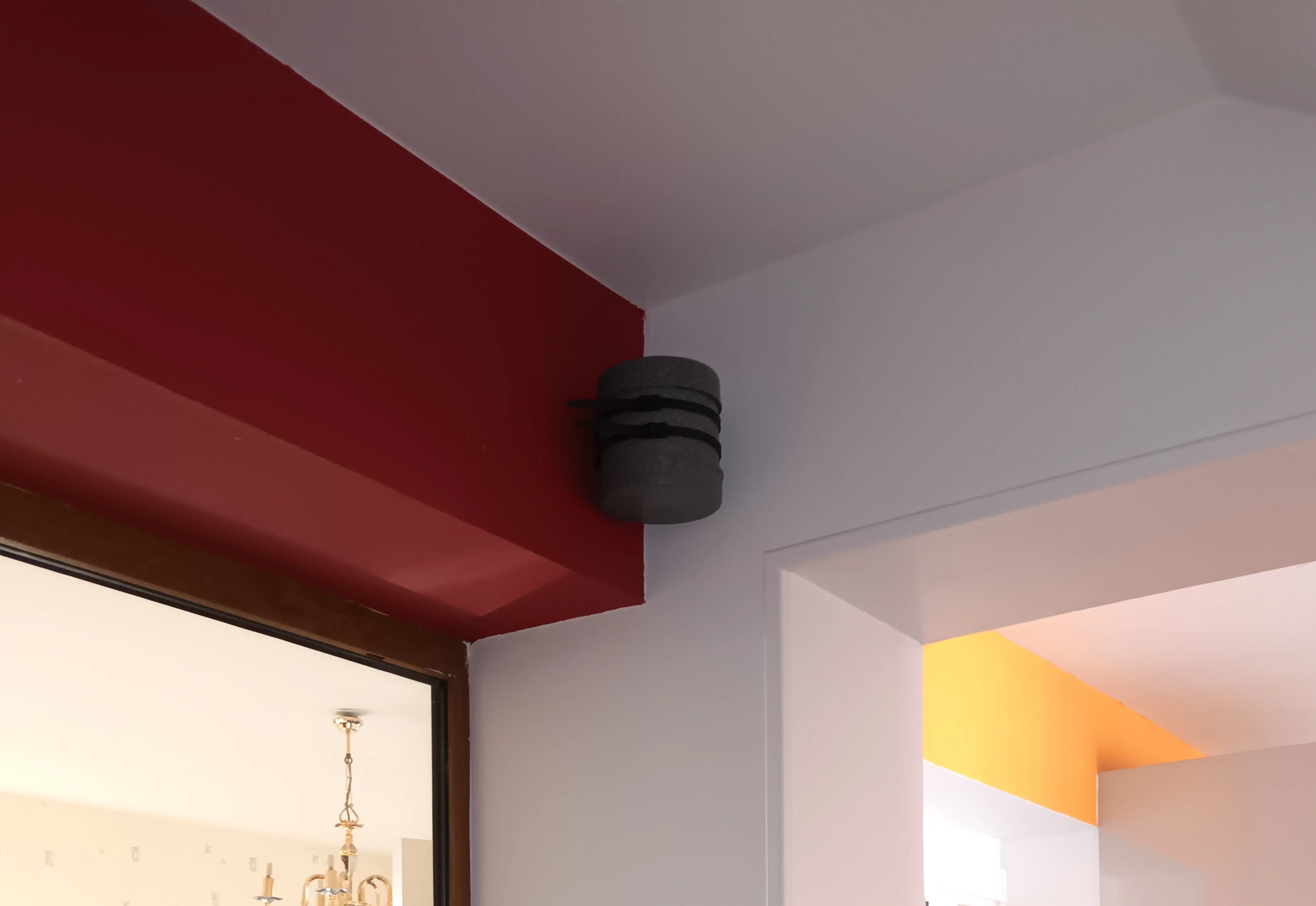
Professional
Damp treatment company: how to choose?
Choosing a damp-treatment company means checking its approach: diagnosis, cautious claims, and a solution suited to the cause.
Read the guide →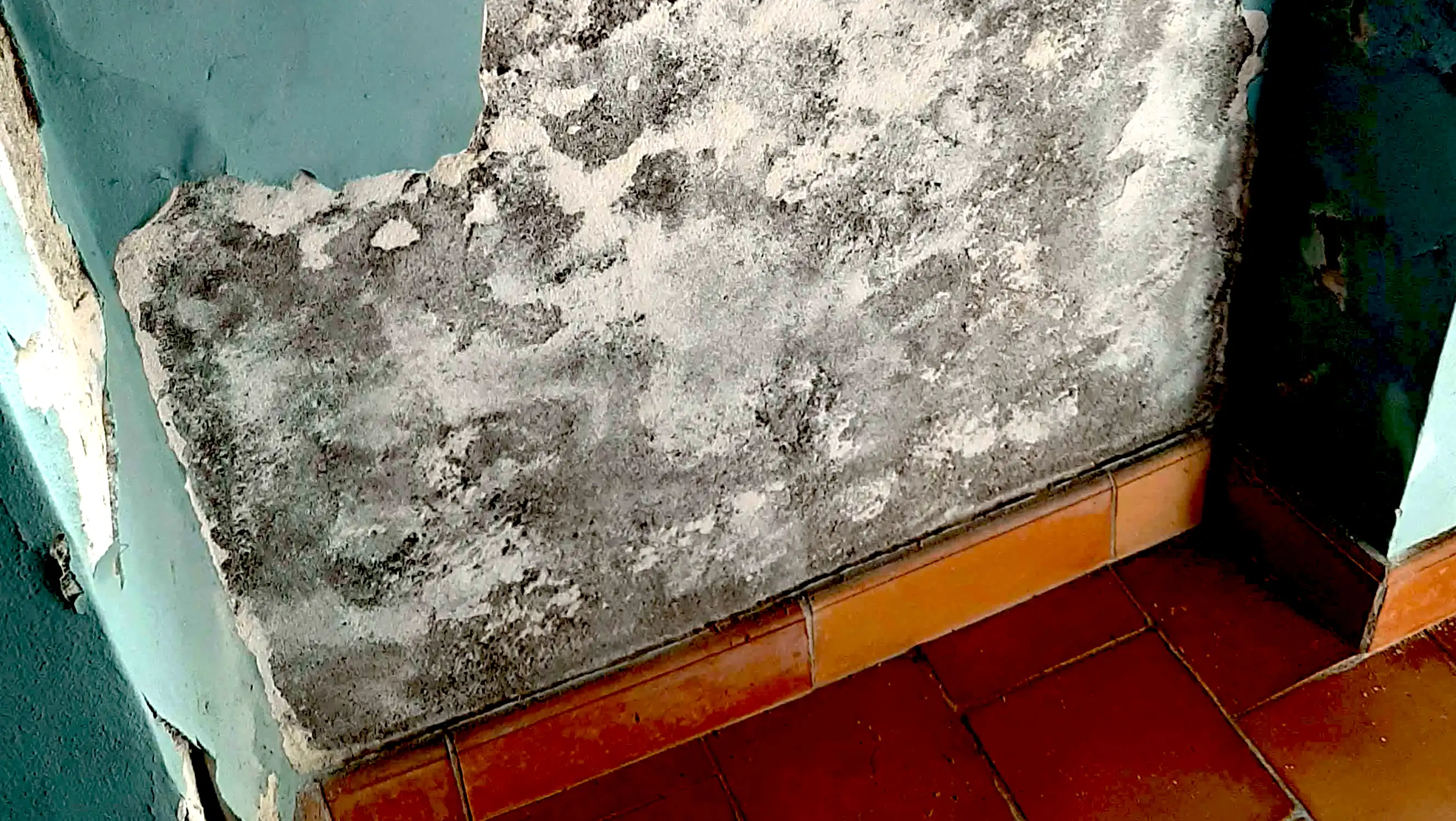
Quote
Damp treatment quote: what information should you prepare?
To request a damp treatment quote or damp diagnosis, prepare the symptoms, photos, municipality, and building context.
Read the guide →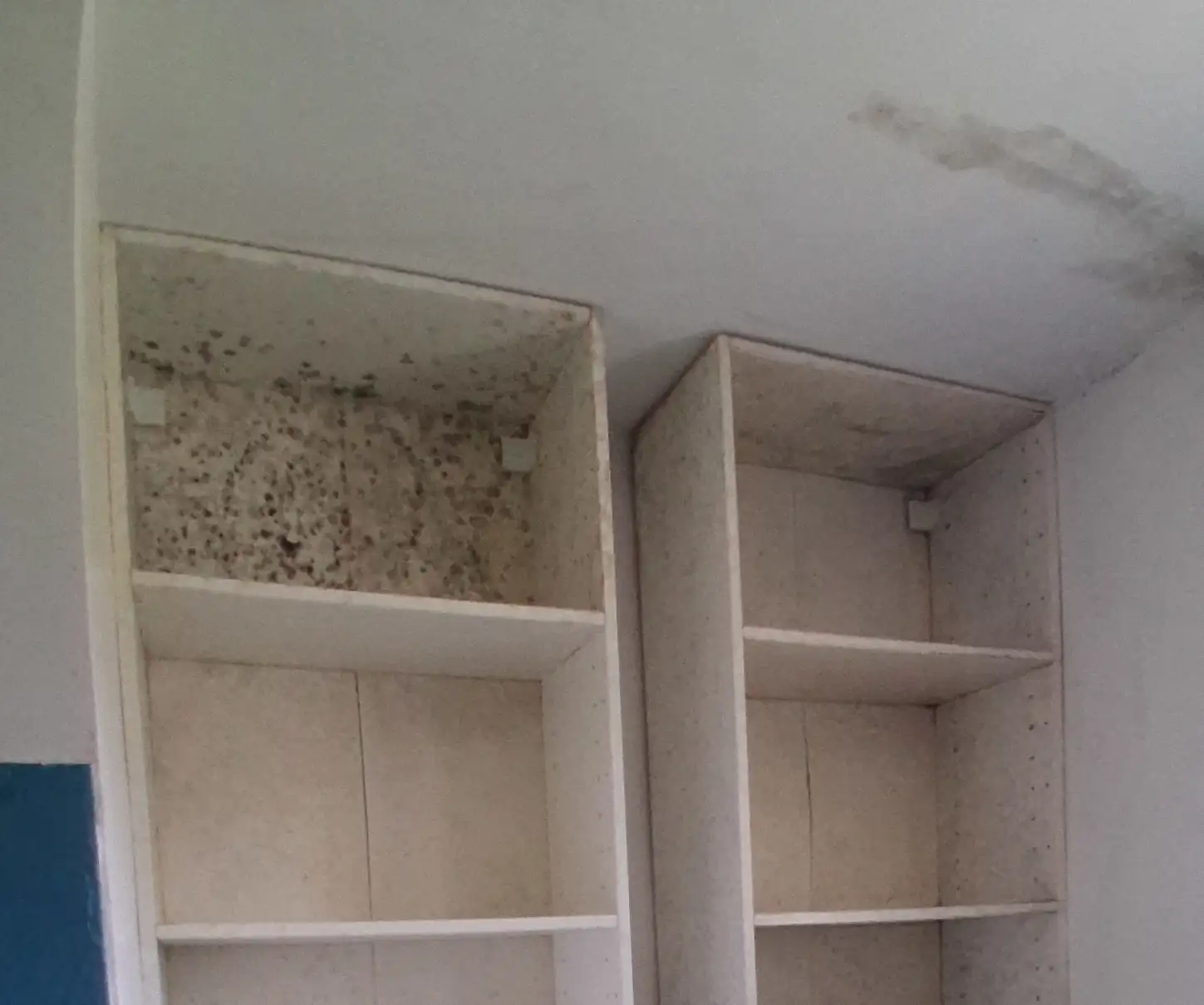
Mold / fungi
Mold or dry rot: when should you seek a professional opinion?
Not all dark stains are the same. Understand when visible fungal growth requires a qualified inspection, without an online diagnosis.
Read the guide →Next step
Want to stop the moisture at the source?
MURSAIN first finds out what is making your walls damp. We can then recommend the right treatment and prepare a free quote. Simply leave your name and email.
Treat the source so the damp does not keep coming back.