MURSAIN - specialist in building moisture issues
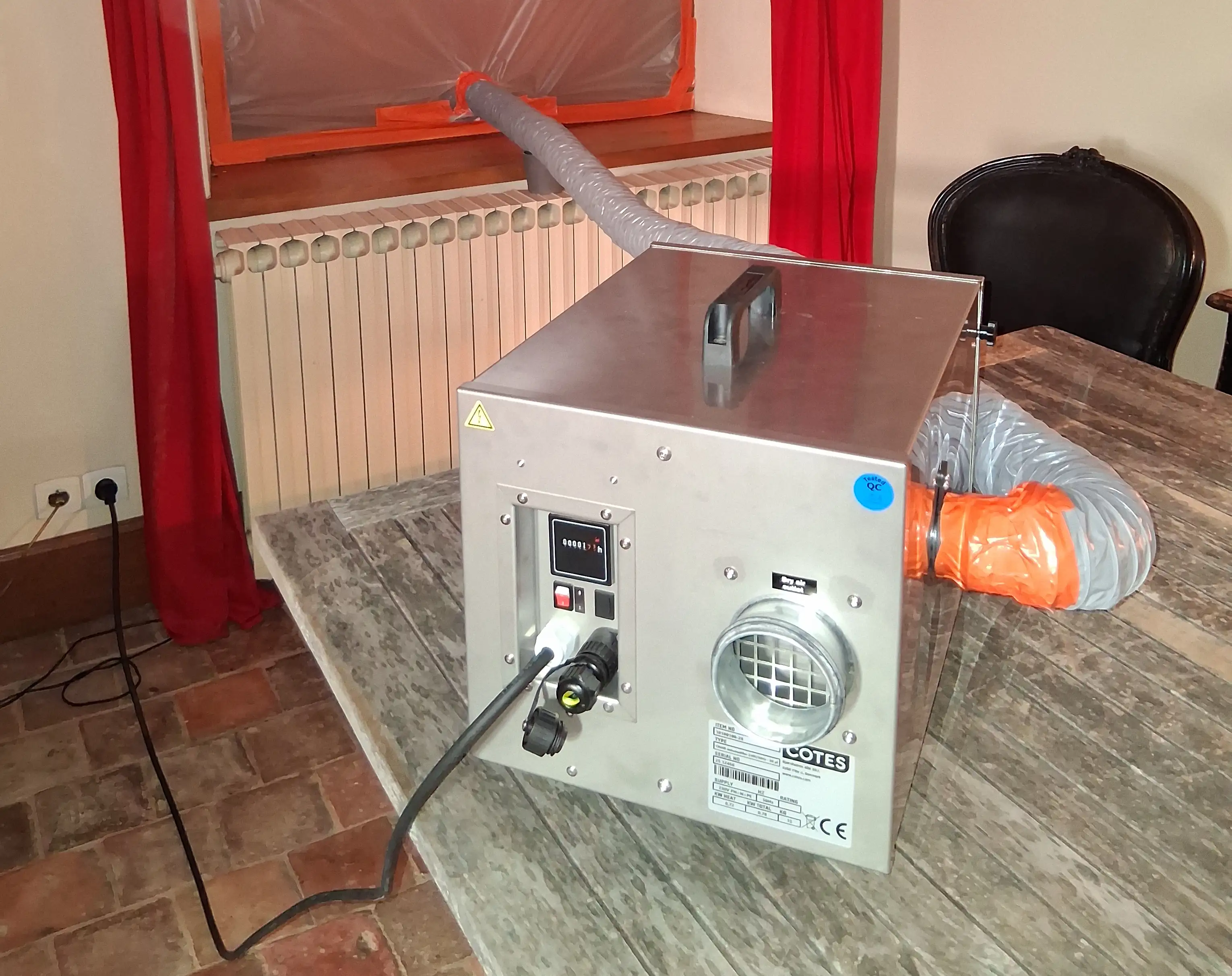
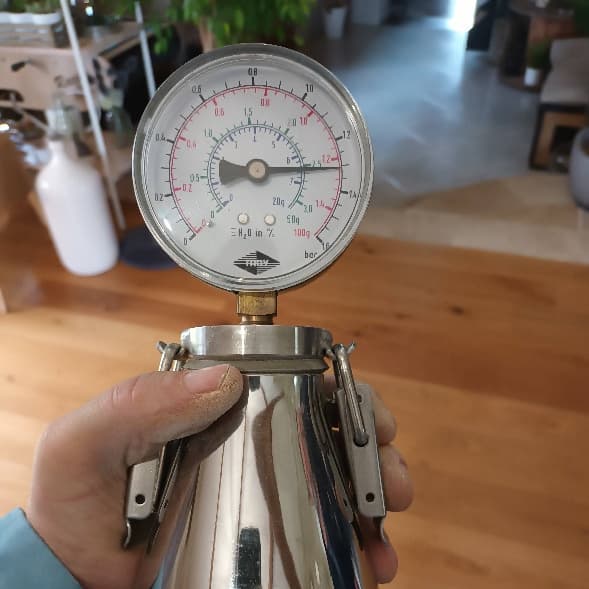
Air treatment device installed by MURSAIN in a humid interior

MURSAIN solution

Air treatment: control the humidity contained in the air

Condensation on windows, mould in corners, heavy air in a basement, sensitive storage to protect: these are air problems, not always wall problems. MURSAIN installs the right device after diagnosis and combines it with HYGRO when the wall is also involved.

Air humidity or wall humidity? It is not the same treatment.

Before installing a device, MURSAIN distinguishes humidity contained in the air from water present in the wall. Treating the wrong cause means spending money without lasting results.

Humidity in the air -> air treatment

When the problem is in the indoor atmosphere

  • Condensation on windows, cold walls, and joinery.
  • Mould in corners, at the top of walls, behind furniture, or in cupboards.
  • Basements, cellars and poorly ventilated spaces that you want to make usable.
  • Sensitive storage to maintain at the right humidity level.
Humidity in the wall -> HYGRO

When water rises into the wall

  • Saltpetre, white powdery deposits at the base of walls.
  • Damp band and render crumbling at the bottom of the wall.
  • A dehumidifier acts here only on the air: it does not stop moisture rising in the wall.

Discover HYGRO, the treatment for rising damp

The right device depending on room conditions

Two device families capture humidity from the air, but their operating range differs. MURSAIN selects equipment suited to the temperature and use of the space.

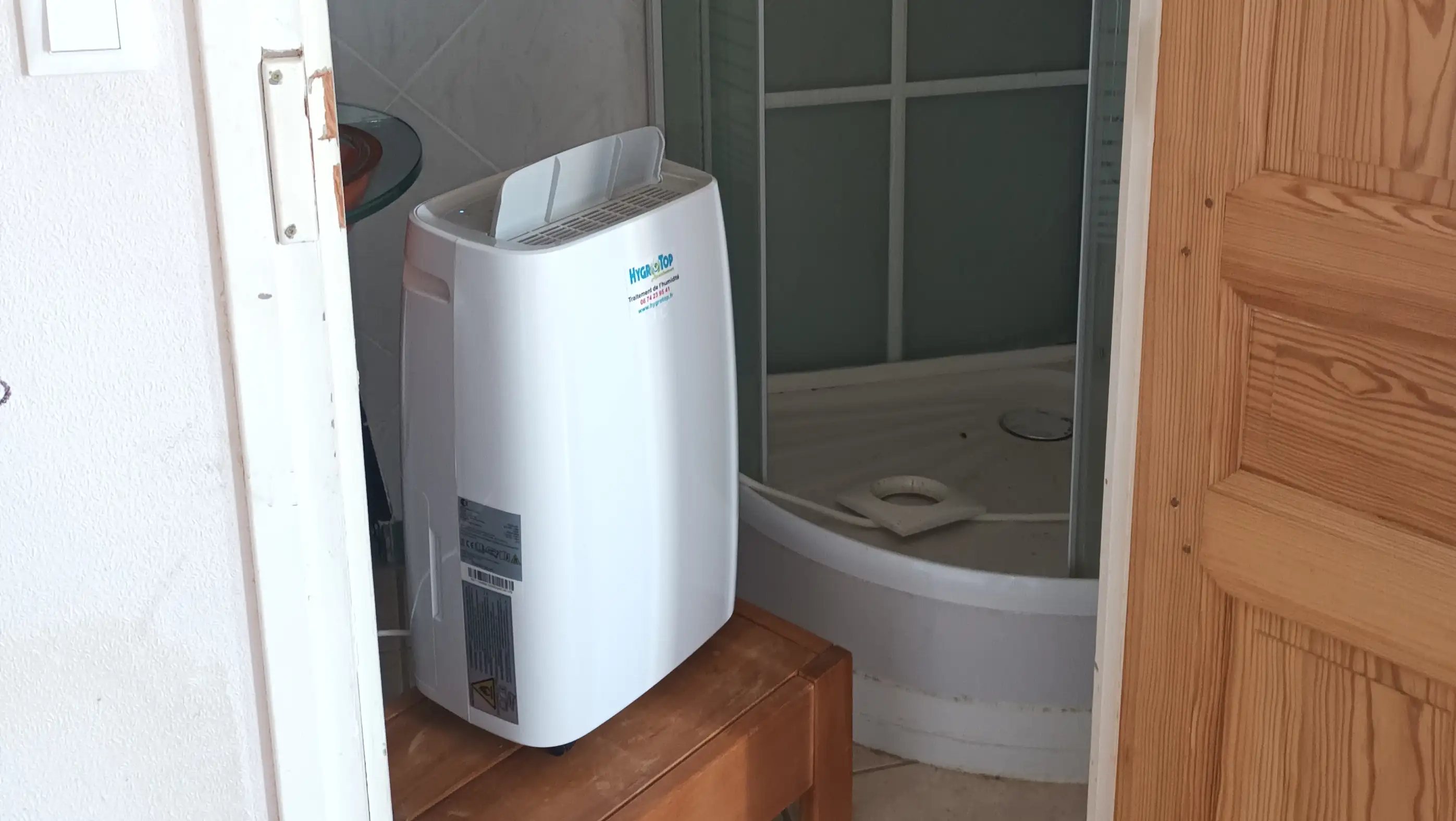
Condensation dehumidifier used by MURSAIN

Dehumidifier

By condensation

It cools the air until water vapour liquefies, then collects it. Effective from around 15 °C, it becomes more efficient as temperatures rise.

Ideal for living spaces and temperate rooms.

Adsorption dryer used by MURSAIN at low temperature

Dryer

By adsorption

A hygroscopic material fixes water vapour on its surface. It works even at low temperature, but loses efficiency above 35-40 °C.

Suitable for cold rooms, cellars and underground basements.

Diagnose the cause before installing a device

MURSAIN technician installing an air-treatment device on site
1

Free diagnosis

Describe the issues, the room concerned and how it is used. We quickly qualify whether the issue is the air, the wall, or both.

2

Condition analysis

Volume, temperature, ventilation and humidity level guide the choice between a dehumidifier, a dryer, or a complementary wall treatment with HYGRO.

3

Installation of the suitable device

MURSAIN installs the equipment suited to the conditions of the space in order to control air humidity over time.

In conjunction with HYGRO

Two complementary solutions, not competing ones

The same building can combine rising moisture in the wall and overly humid indoor air. In that case, HYGRO neutralises the rise at the source, while air treatment controls the humidity of the room, especially in basements and poorly ventilated spaces.

That is the whole point of the diagnosis: determining whether one solution is enough, or whether both must work together for a lasting result. MURSAIN only recommends a device when it is genuinely relevant.

Air treatment: what you need to know

What is the difference between air treatment and HYGRO?

Air treatment acts on the moisture contained in the air of a room: it captures and removes it, improving comfort and limiting condensation. HYGRO acts on the physical mechanism that makes water rise from the ground into the wall. The two do not treat the same problem: one treats the air, the other the wall. That is why they are often complementary.

What is the difference between a dehumidifier and a dryer?

Both extract moisture from the air, but with different technologies. The dehumidifier works by condensation and becomes effective from around 15 °C. The dryer works by adsorption and remains effective at low temperatures, but loses efficiency above 35 to 40 °C. The choice mainly depends on the temperature of the room to be treated.

What is adsorption?

Adsorption is a physical phenomenon in which molecules attach themselves to the surface of a solid without penetrating it, unlike absorption, where the substance integrates into the material. This is the principle used by the dryer.

Can air treatment be combined with HYGRO?

Yes, and this is common. A building can combine rising damp in the wall and overly humid ambient air. HYGRO neutralises the rise at the source; air treatment controls residual humidity in the room. MURSAIN determines during diagnosis whether one solution is enough or whether both should work together.

How do I know whether my problem comes from the air or the wall?

Some signs point toward the air: mould high on walls, in corners, behind furniture or in cupboards, often linked to poor ventilation. Others point toward the wall: saltpetre, a damp band at the base of the wall, crumbling render. A diagnosis quickly qualifies the situation before proposing a device or treatment.

Next step

Need to control overly humid air?

Describe the observed issues and the use of the room. We assess your situation and guide you to the right solution, with no obligation.