
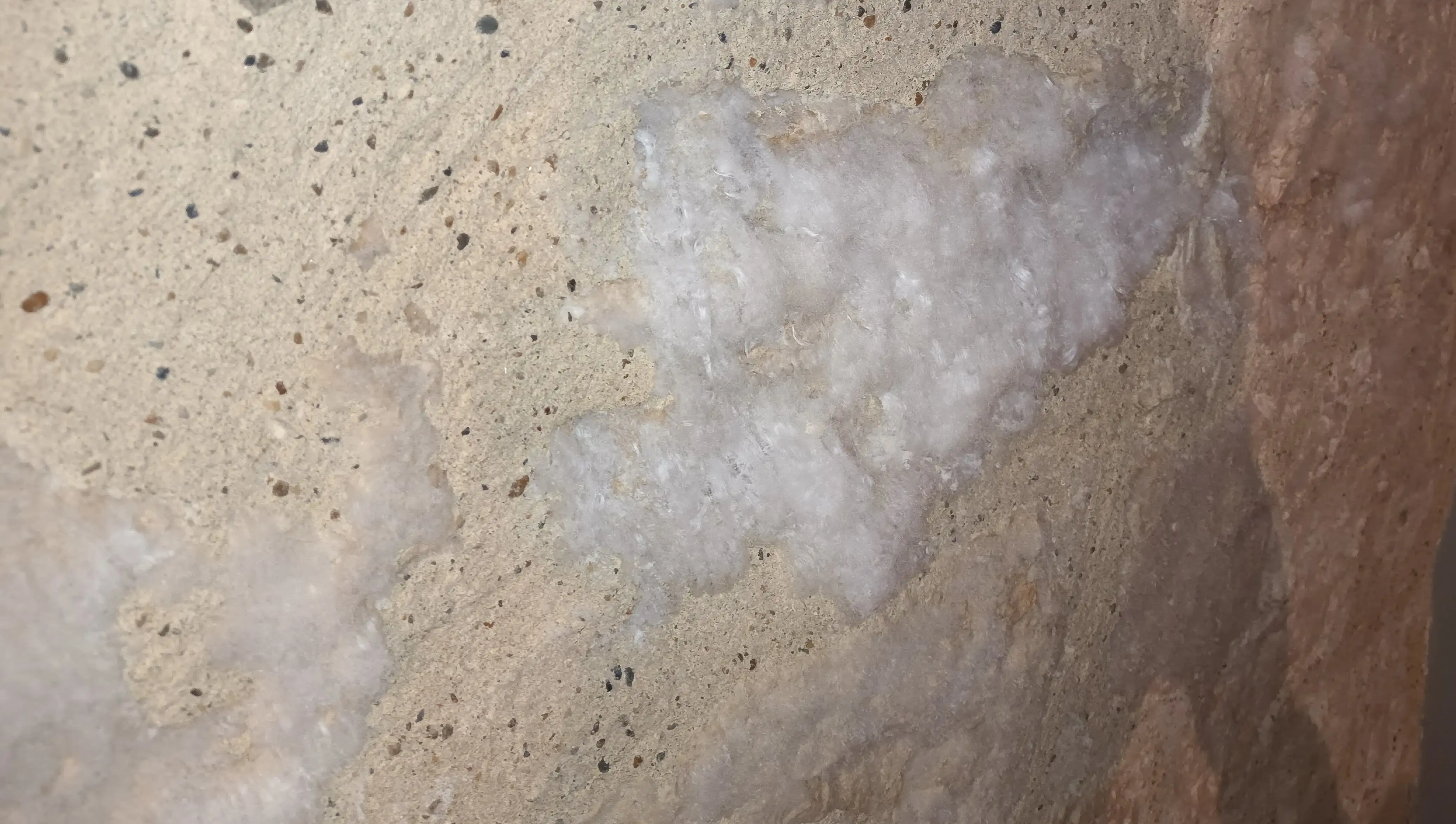
Saltpetre
Possible cause(s): Rising damp
White, powdery efflorescence on your walls: the most common sign of active rising damp.
Understand this symptom →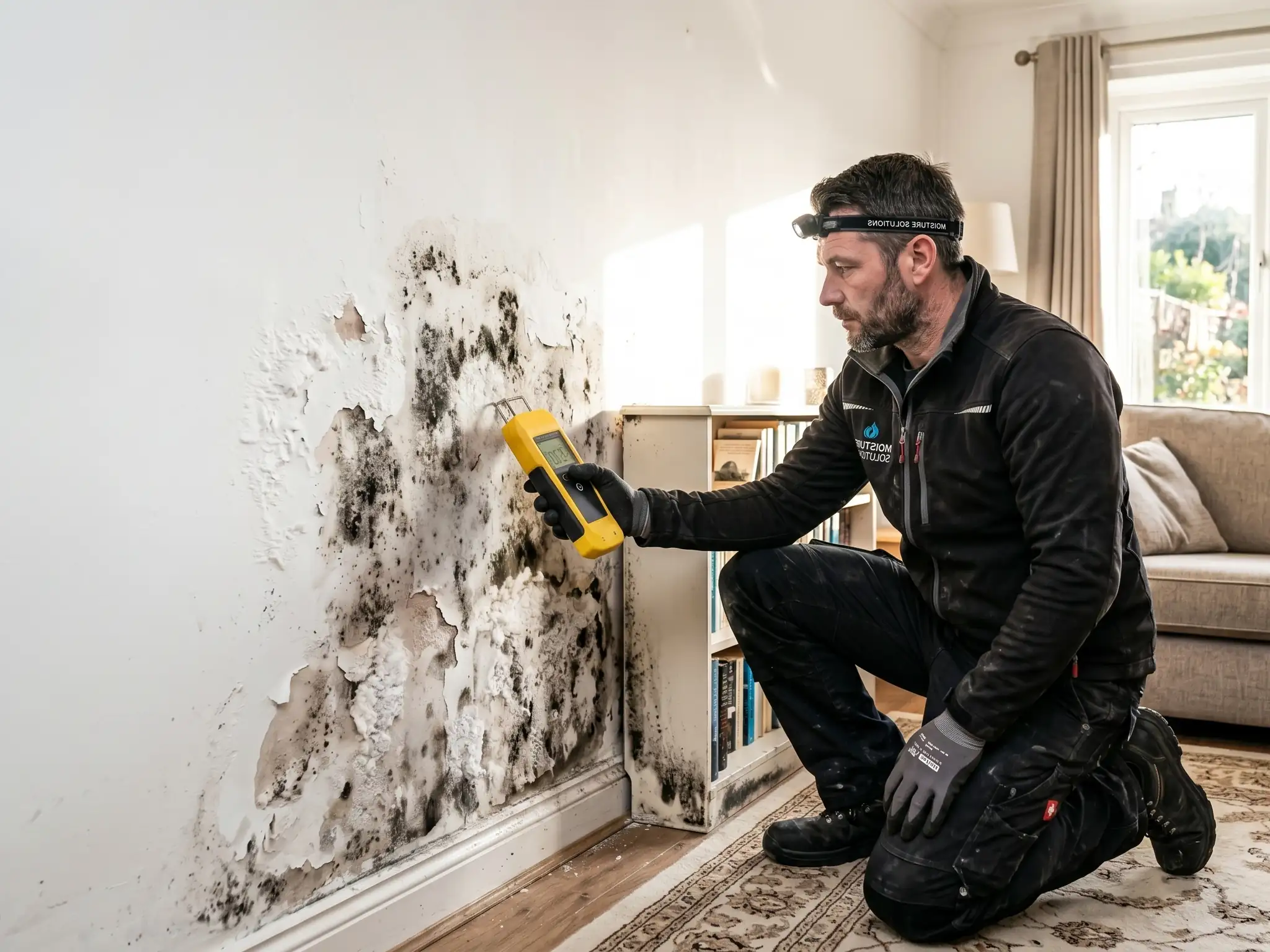
Understand before treating
Saltpetre, mould, flaking paint or a damp band: a visible sign is not always enough to draw a conclusion. MURSAIN analyses the causes before proposing the suitable solution: the MURSAIN process, air treatment or drying after water damage.
MURSAIN method
Direct answer
The three main causes of a damp wall are rising damp, condensation and water damage. The same building can combine several causes: the diagnosis helps avoid confusing the visible effect with the origin of the problem.
Possible cause(s): Rising damp
White, powdery efflorescence on your walls: the most common sign of active rising damp.
Understand this symptom →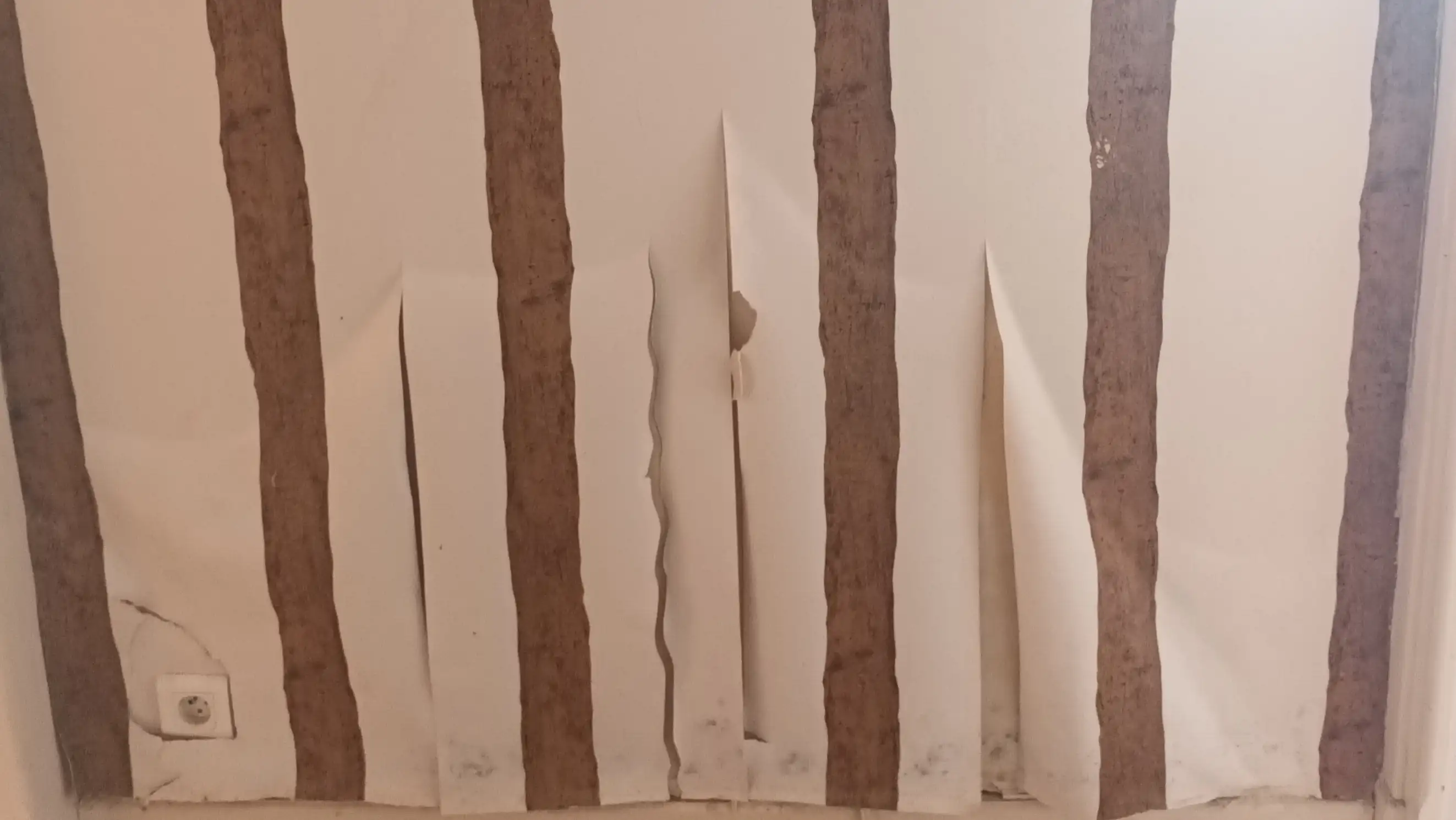
Possible cause(s): Rising damp or water damage
Moisture migrates into the partition and lifts your wall coverings from the inside - any renovation remains futile without prior treatment.
Understand this symptom →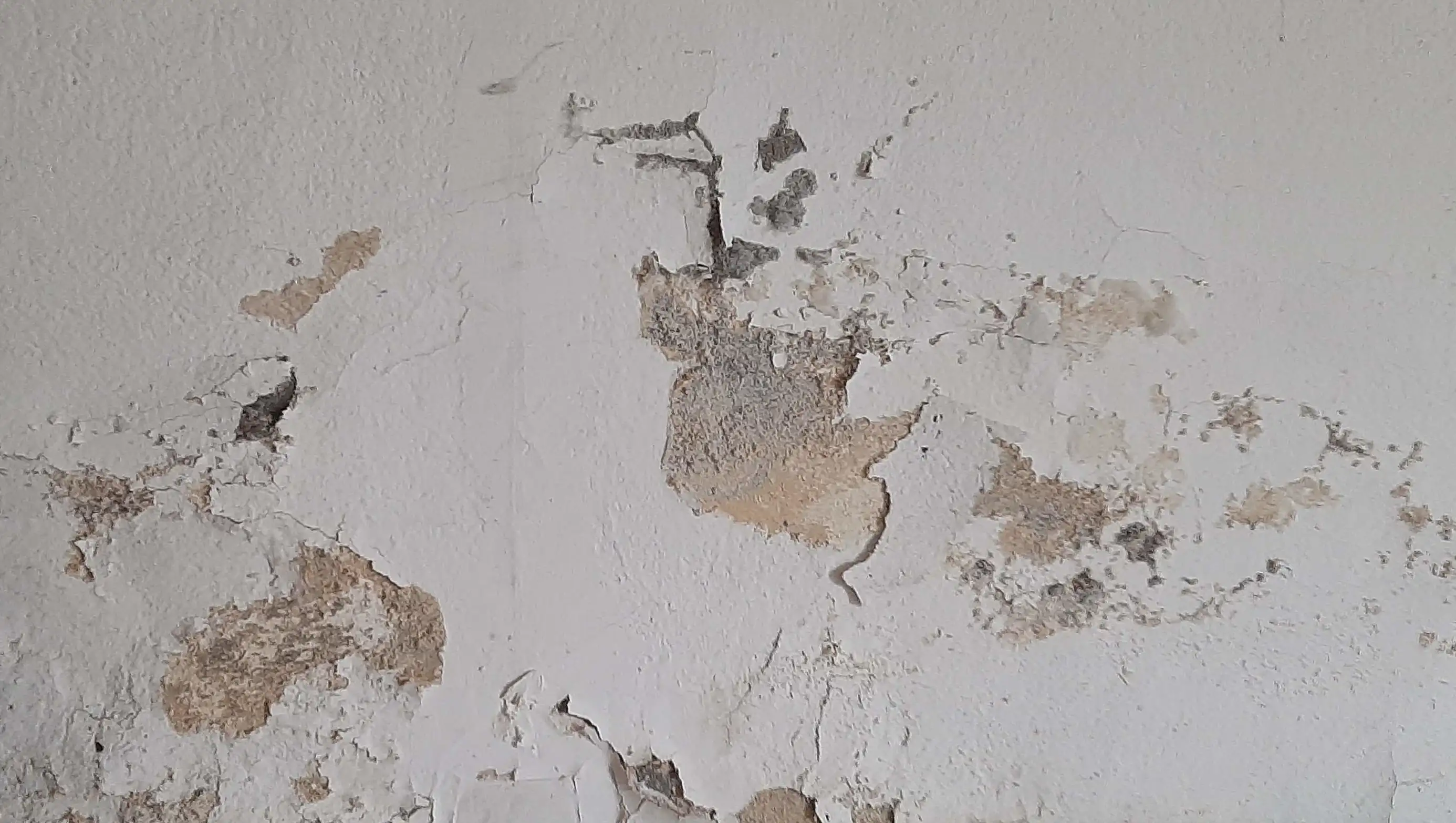
Possible cause(s): Rising damp or water damage
Paint blisters and flakes under the effect of evaporating moisture: a symptom to treat, not to hide.
Understand this symptom →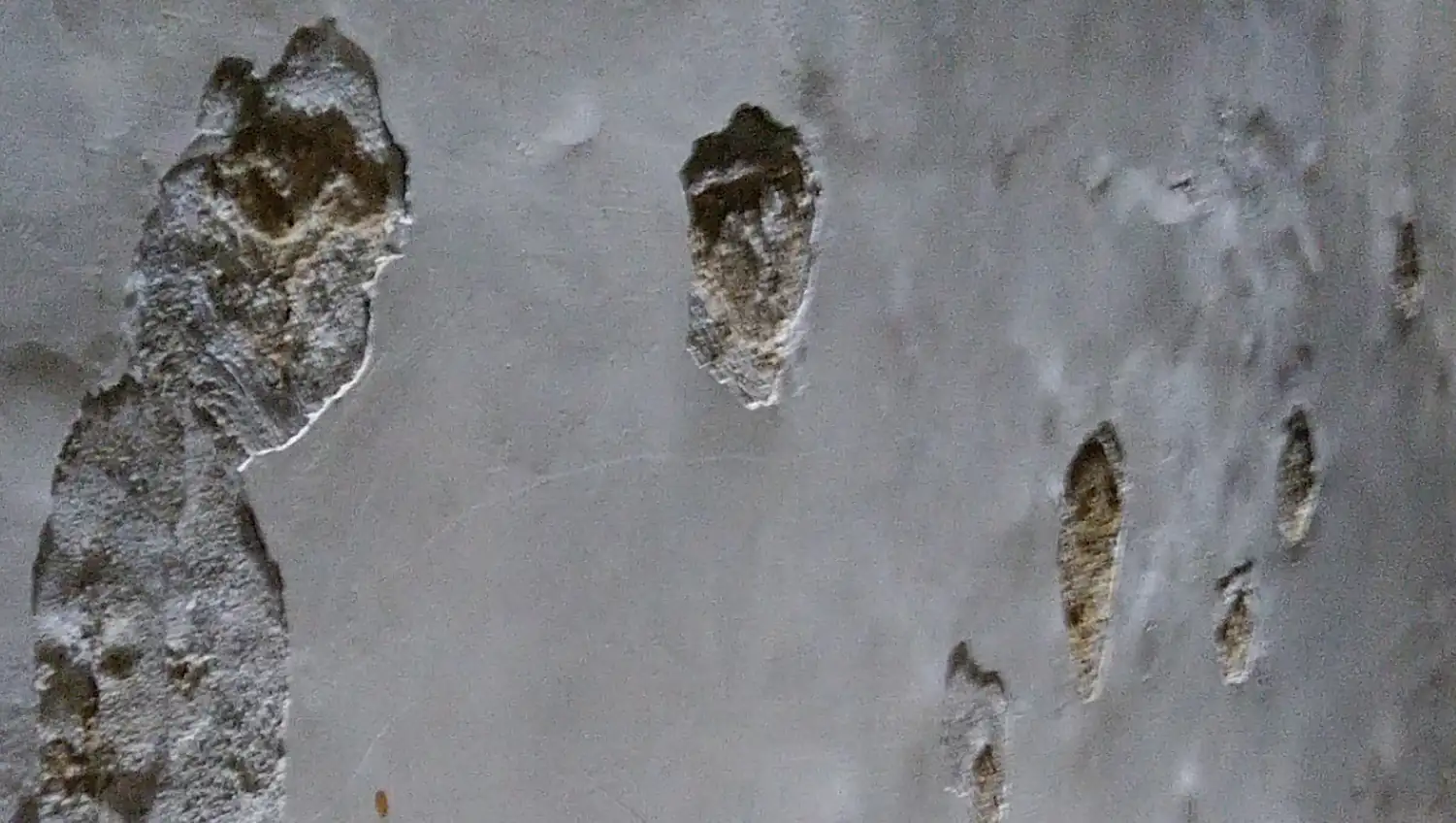
Possible cause(s): Rising damp or water damage
Plaster gradually disintegrates into powder or comes away in patches, weakening the wall structure.
Understand this symptom →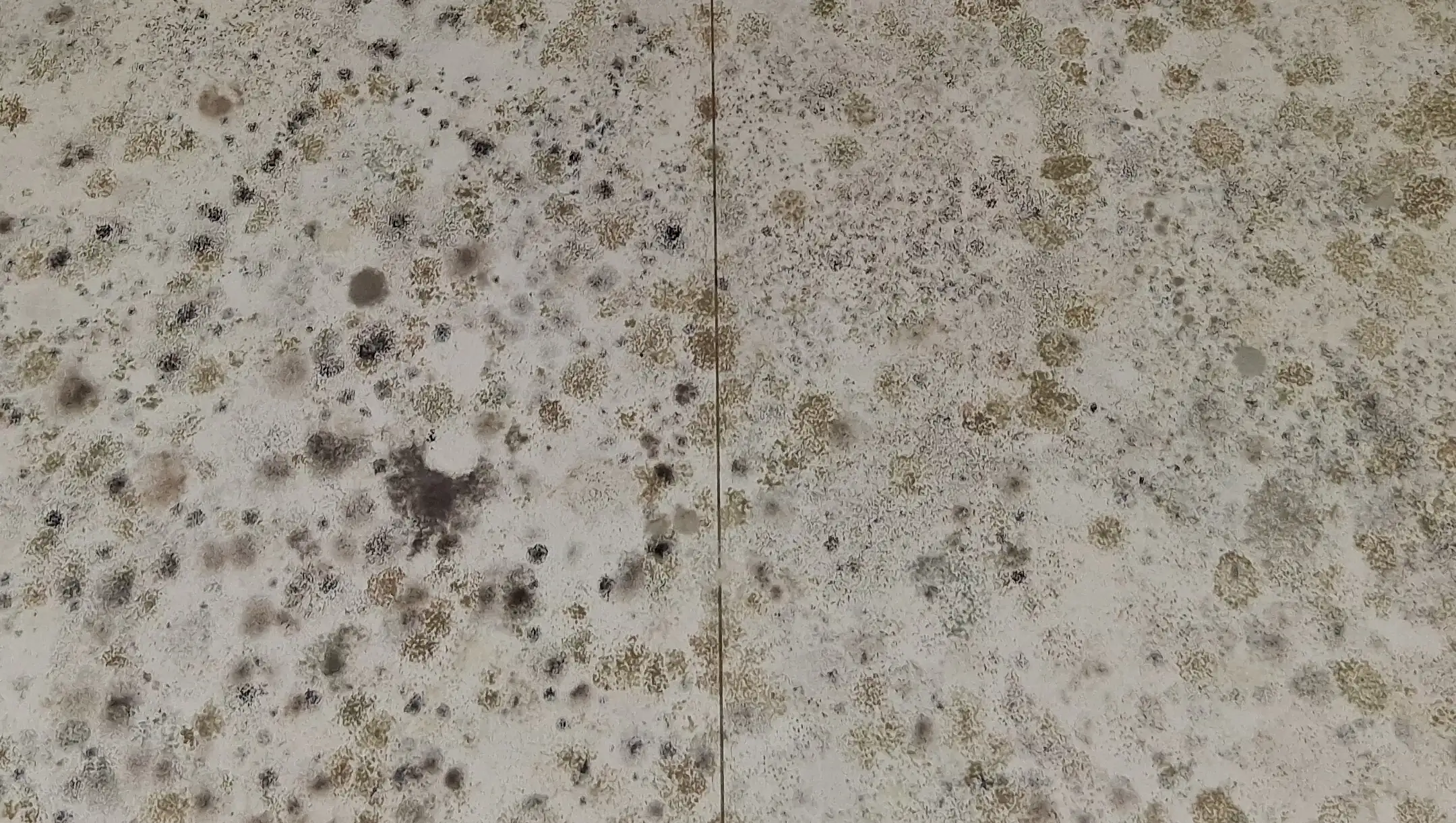
Possible cause(s): Condensation
Black marks in corners or behind furniture: condensation creates the ideal conditions for their development.
Understand this symptom →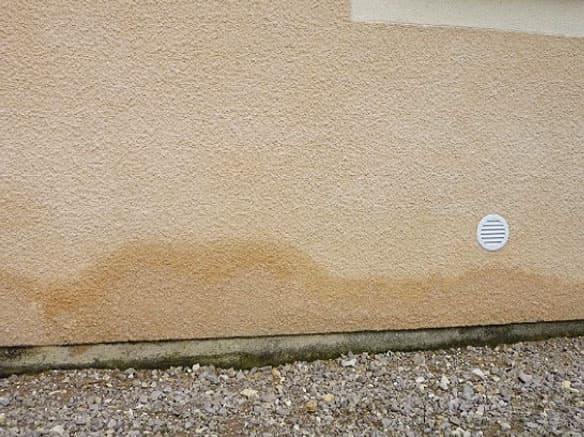
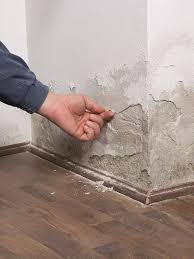
Possible cause(s): Rising damp
This damp line at the base of the wall marks the level where capillary water stops, at that moment.
Understand this symptom →The following symptomes are for guidance. They do not replace analysis of the building: some signs may be linked to several origins, or appear together.
It can be the cause of saltpetre, a damp band at the base of the wall, and contribute to deteriorating finishes.
See the MURSAIN process →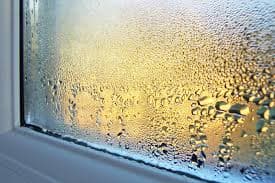
It often appears in corners, at the top of walls, behind furniture or in cupboards, and can be worsened by other sources of moisture.
Understand air treatment →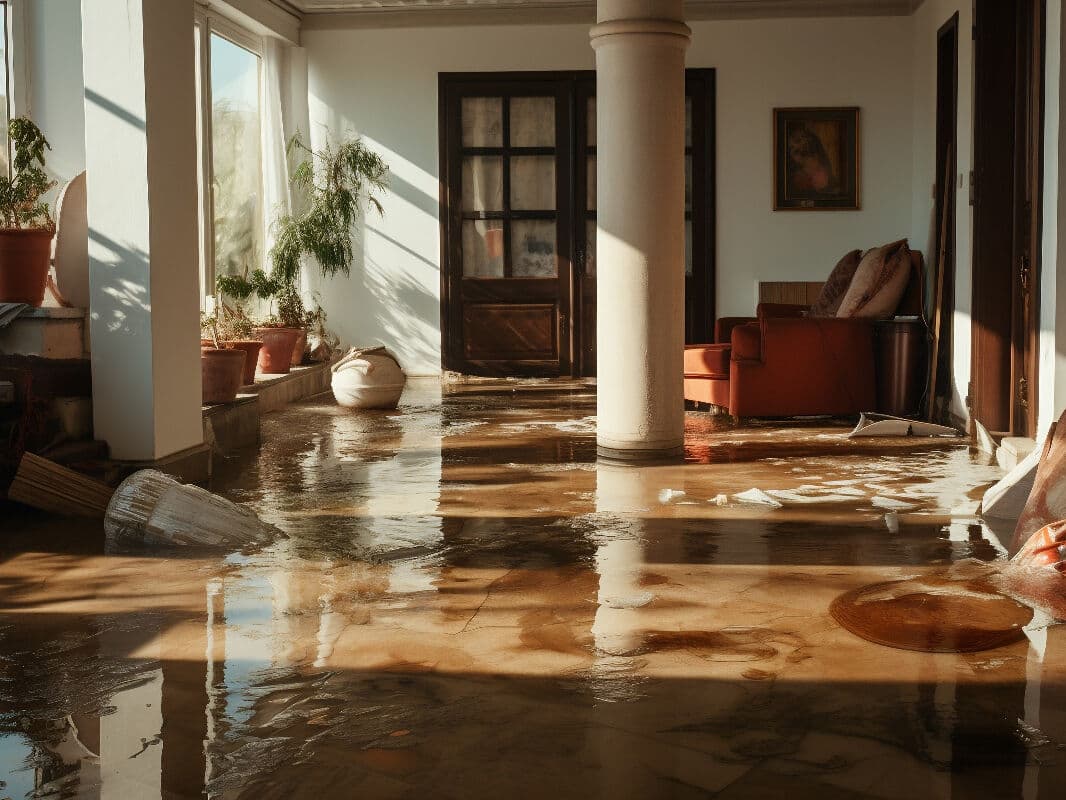
After water damage, structures can remain saturated: they must be dried before decorative renovation work.
See drying after damage →Only an examination of the context by MURSAIN allows a real diagnosis.
Flaking paint can come from rising damp or water damage.
Mould can be worsened by a wall that is already damp.
The aim is therefore to connect the signs together.
Low wall, damp band, saltpetre
The MURSAIN process is considered after analysis of the causes, especially when the signs are concentrated at the base of the wall.
Grey / black mould, corners, top of wall
Air treatment may be relevant when air moisture and ventilation are involved.
After leak, incident or saturated wall
Structural drying should be considered before paint, plaster or wallpaper.
Saltpetre, damp bands, crumbling plaster, flaking paint or peeling wallpaper signal deterioration that must be understood before renovation.
Air that is too humid encourages discomfort and mould growth. Treatment aims to restore a healthier, more stable indoor environment.
Repainting, replastering or papering a support that is still damp exposes the finishes to fresh deterioration. The cause must be treated before cosmetic improvement.
Go deeper into each visible sign: saltpetre, mould, paint, wallpaper, plaster or damp band.
See the resource →Understand the three treatment families proposed by MURSAIN after analysis.
See the resource →Find short answers about diagnosis, the MURSAIN process, causes and works.
See the resource →Describe your situation to be guided without reducing the problem to a single symptom.
See the resource →Next step
Describe the visible symptoms, where they appear and the context in which they occur. MURSAIN will guide you through a diagnosis before proposing a treatment.
Treat the source so the damp does not keep coming back.