
Short answer
In a cellar or basement, you need to distinguish airborne humidity, damp walls, condensation, and water damage before choosing a dehumidifier or treatment.
Common symptoms
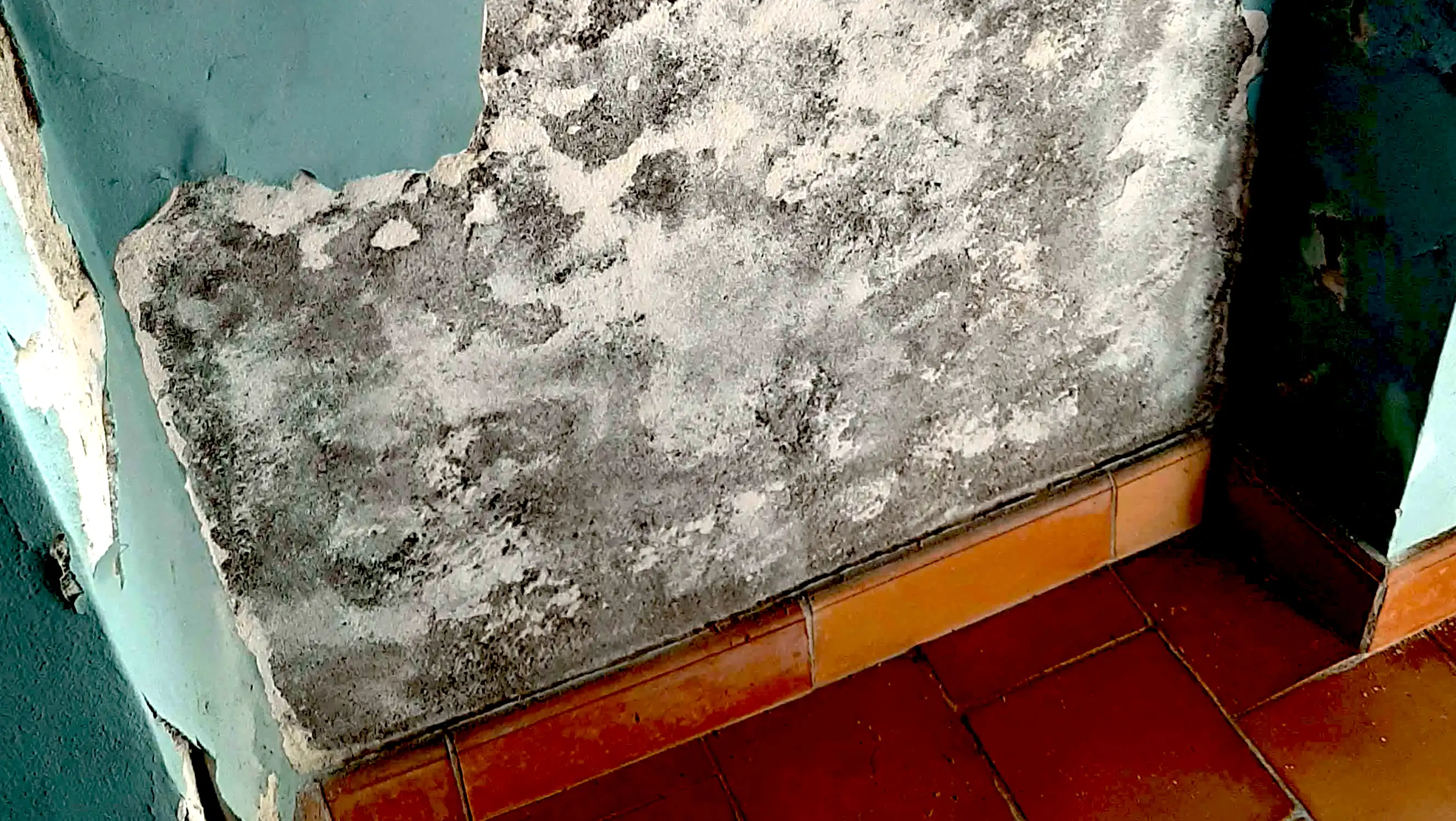
Odor, damaged cardboard, stains, mold, salt deposits, and a heavy-air feeling are all signs worth noting.
The location of marks on the walls matters.
Air or building fabric?
A dehumidifier treats moisture in the air, but it does not by itself correct an active cause inside the wall.
Diagnosis helps avoid buying the wrong equipment.
Does the damp keep coming back?
A fresh coat of paint will not stop water moving through a wall. MURSAIN finds the cause and uses the treatment that fits the building, dealing with the problem at its source.
How the basement is used
Storage, a technical room, a wine cellar, or a converted space do not have the same needs.
MURSAIN can guide you toward air treatment, the MURSAIN process, or drying depending on the context.
Frequently asked questions
Is a dehumidifier enough for a damp cellar?
It treats the air, not the walls. If the walls are damp, diagnosis helps distinguish the causes.
Does a cellar with salt deposits require specific treatment?
Salt deposits in a cellar may point to rising damp. A diagnosis is useful before choosing a solution.