
Short answer
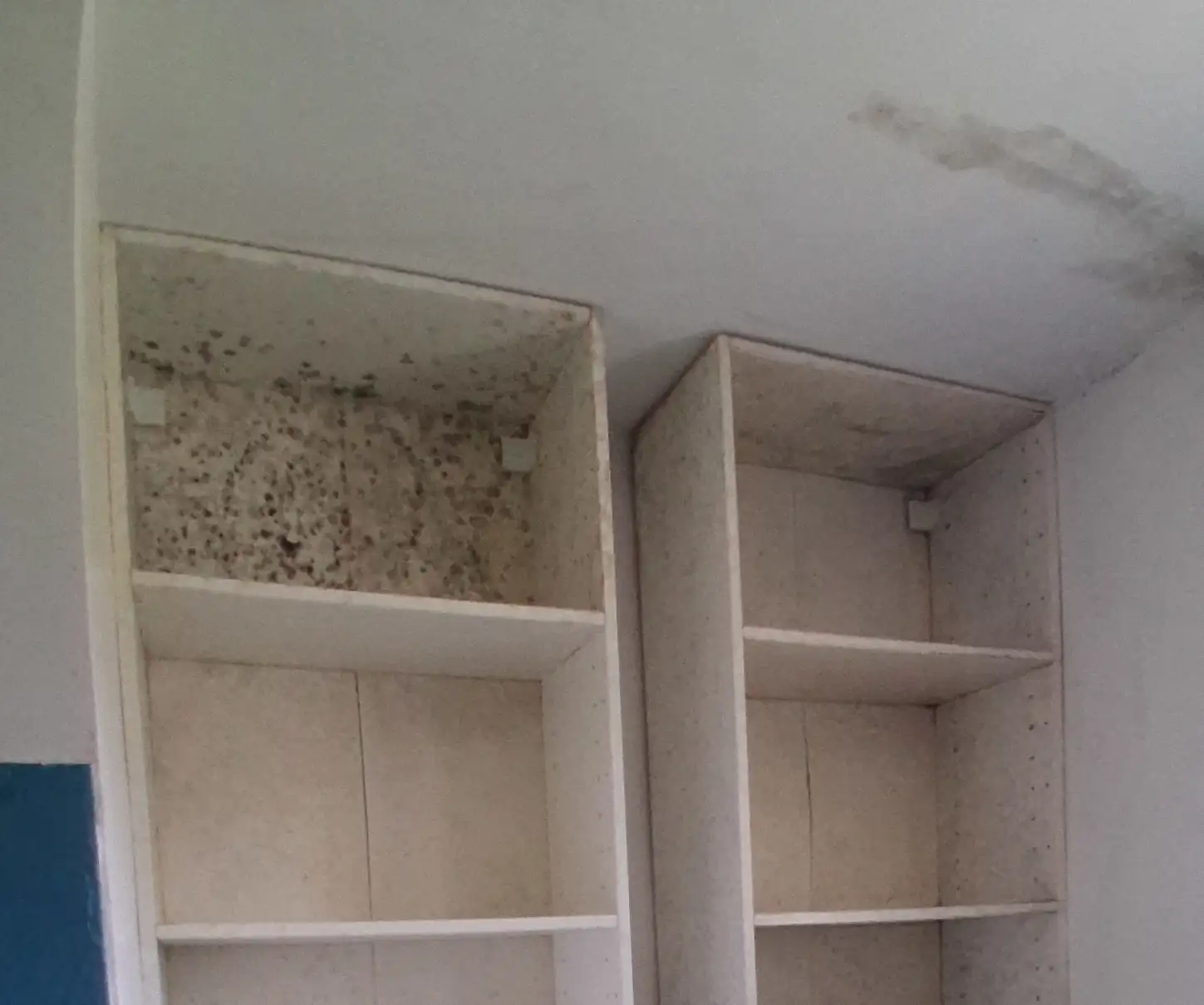
In a bedroom, moisture can come from condensation, a damp wall, or water damage. The visible signs and where they appear help guide the diagnosis.
What to observe
Marks behind furniture, ceiling corners, the base of walls, and odors in the morning all point to different clues.
An occupied room at night also produces moisture in the air.
Possible causes
Condensation is common in poorly ventilated areas.
A damp tide mark or salt deposits at the base of the wall may point toward another cause.
Does the damp keep coming back?
A fresh coat of paint will not stop water moving through a wall. MURSAIN finds the cause and uses the treatment that fits the building, dealing with the problem at its source.
What to do
Document the signs and avoid hiding them with paint before analysis.
Request a free quote if the signs persist or spread.
Frequently asked questions
Is it normal to have moisture in a bedroom?
An occupied bedroom produces moisture. But persistent signs deserve a more precise analysis.
Is mold behind a piece of furniture in a bedroom serious?
It often points to a condensation area. The cause should be assessed before repainting or moving the furniture.