
Short answer
Before repainting a damp wall, you need to identify the cause, let the substrate dry if necessary, and avoid blocking evaporation without appropriate treatment.
Warning signs
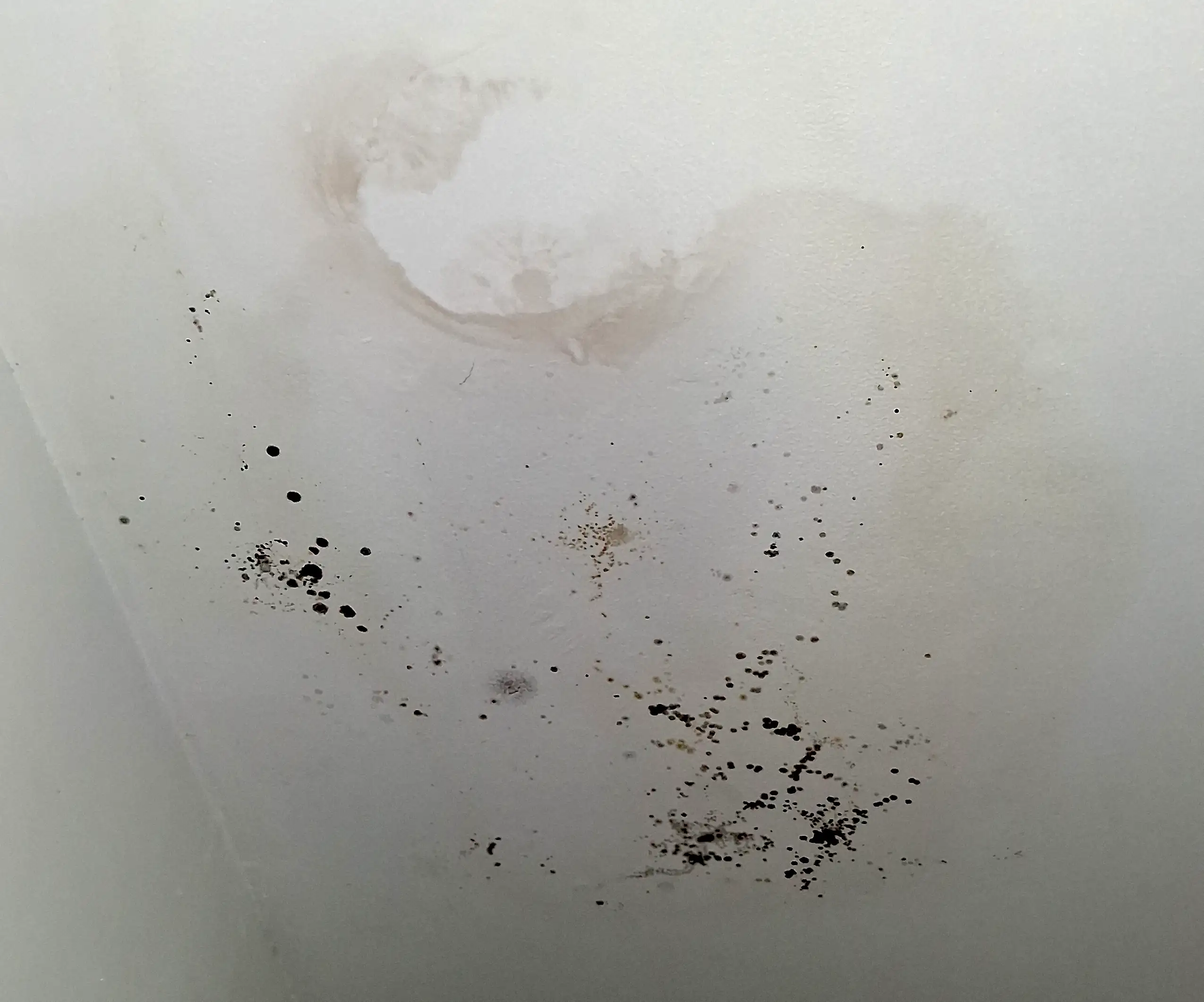
Blistering paint, powdery plaster, a damp smell, water rings, and a damp band at the bottom of the wall are warning signs to check before works.
A substrate that seems dry on the surface may still be damp deeper down.
Identify the cause
The main causes to distinguish are rising damp, condensation, and water damage.
The right treatment depends on this origin. That is why MURSAIN prioritizes analysis before solution.
Does the damp keep coming back?
A fresh coat of paint will not stop water moving through a wall. MURSAIN finds the cause and uses the treatment that fits the building, dealing with the problem at its source.
Renovate at the right time
After water damage, structures may be saturated: drying before finishing works is essential.
When rising damp is present, renovation must be coordinated with the appropriate treatment for the building.
Frequently asked questions
How long should you wait before repainting after water damage?
That depends on the nature of the materials and the extent of the incident. Drying must be verified, not just assumed.
Can anti-moisture paint be applied to a wall that is still damp?
It may have a temporary role, but it does not replace identifying and treating the cause.