
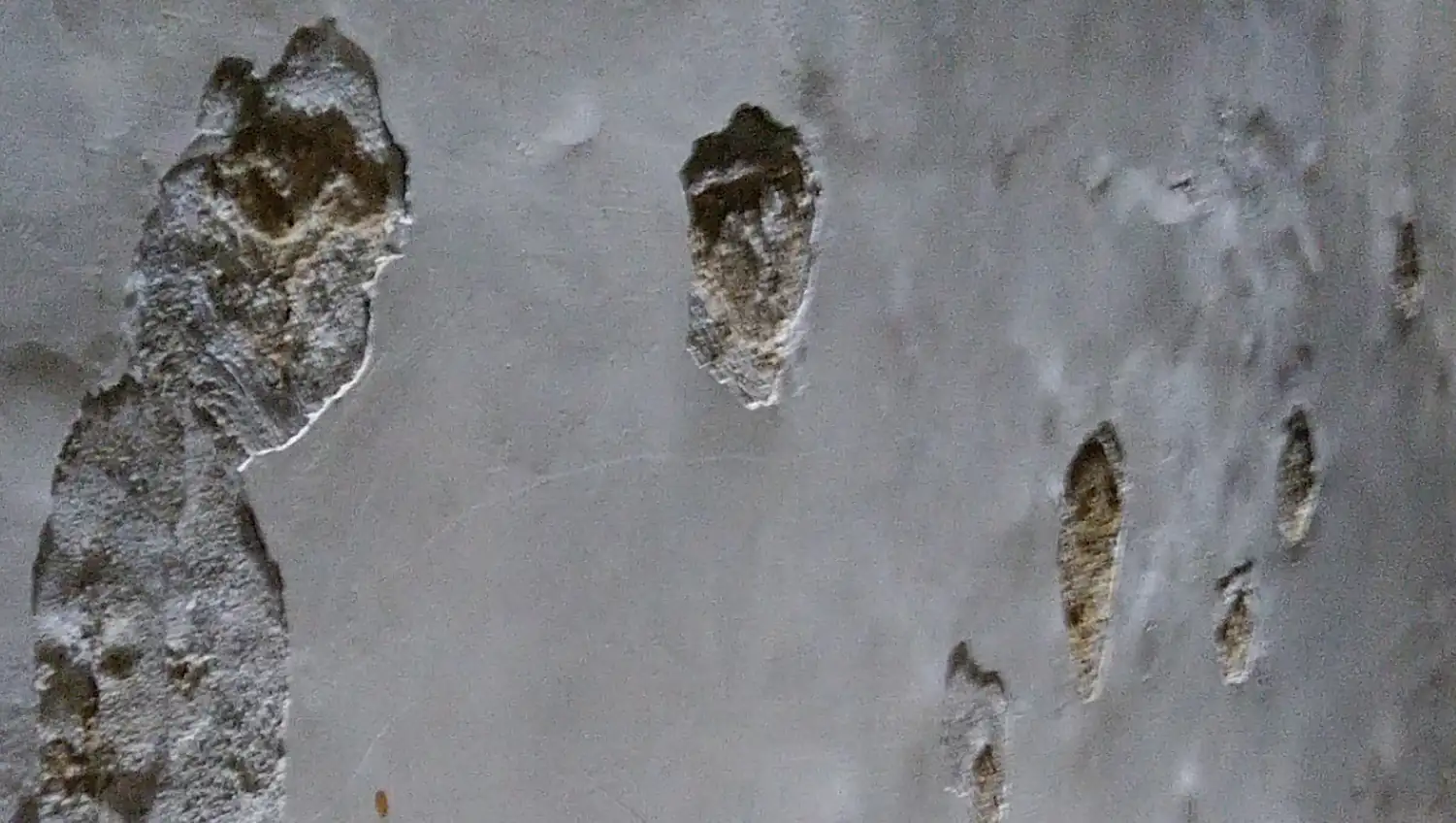
Short answer
Crumbling plaster is most often caused by moisture evaporating from within the wall: the water migrating toward the surface puts pressure on the plaster from the inside, and the salts it carries further weaken the substrate. The two most frequent causes are rising damp by capillary action and water damage.
Why moisture makes plaster crumble
Plaster does not crumble simply because it is old or poorly applied. When the wall stays damp, water contained in the materials seeks to evaporate toward the nearest surface, usually the plaster. This mechanism, called evapotranspiration, exerts continuous pressure on the coating from inside the wall.
This pressure gradually weakens the plaster's cohesion: the binders lose strength, and the material becomes friable, then detaches as powder or patches. The more significant and lasting the moisture, the faster and deeper the deterioration progresses into the substrate.
- The wall contains moisture.
- Water evaporates toward the nearest surface.
- Vapor puts pressure on the plaster from the inside.
- The plaster loses cohesion, becomes friable, then detaches.
- If the cause remains, the crumbling keeps progressing.
The symptom: what to look for
The plaster becomes friable, powdery to the touch, cracks, or detaches in patches, sometimes revealing the original substrate (stone, brick, rubble). This is not only an aesthetic problem: damaged plaster no longer properly protects the wall.
The location of the issue gives a first clue. When the crumbling is concentrated at the bottom of the walls, on a band that rises from the ground, it points more toward rising damp by capillary action. When it appears in a more localized way, at mid-height or near a pipe, a bathroom, or a roof, an infiltration or water damage is more likely.
- Height of the issue from the ground
- Extent: localized or widespread
- Presence of saltpeter or a damp band
- Musty or damp smell
Does the damp keep coming back?
A fresh coat of paint will not stop water moving through a wall. MURSAIN finds the cause and uses the treatment that fits the building, dealing with the problem at its source.
Where does the moisture in the wall come from?
Crumbling plaster alone does not reveal where the water comes from: several causes can produce a similar visual effect, and only an analysis of the building can distinguish them.
In older buildings especially, water can come from the ground: this is rising damp by capillary action. The wall absorbs moisture through its base, like a sponge, and this moisture progresses through the materials until it evaporates near the surface, which explains why crumbling often concentrates at the bottom of walls.
A leak or water damage can also soak the wall without being immediately visible, for example behind a partition, under a floor, or around a pipe: the plaster may then deteriorate at a height or in an area that does not match rising damp. Infiltration from the outside (cracked facade, roof, gutter, joint, buried wall) can produce a similar mechanism.
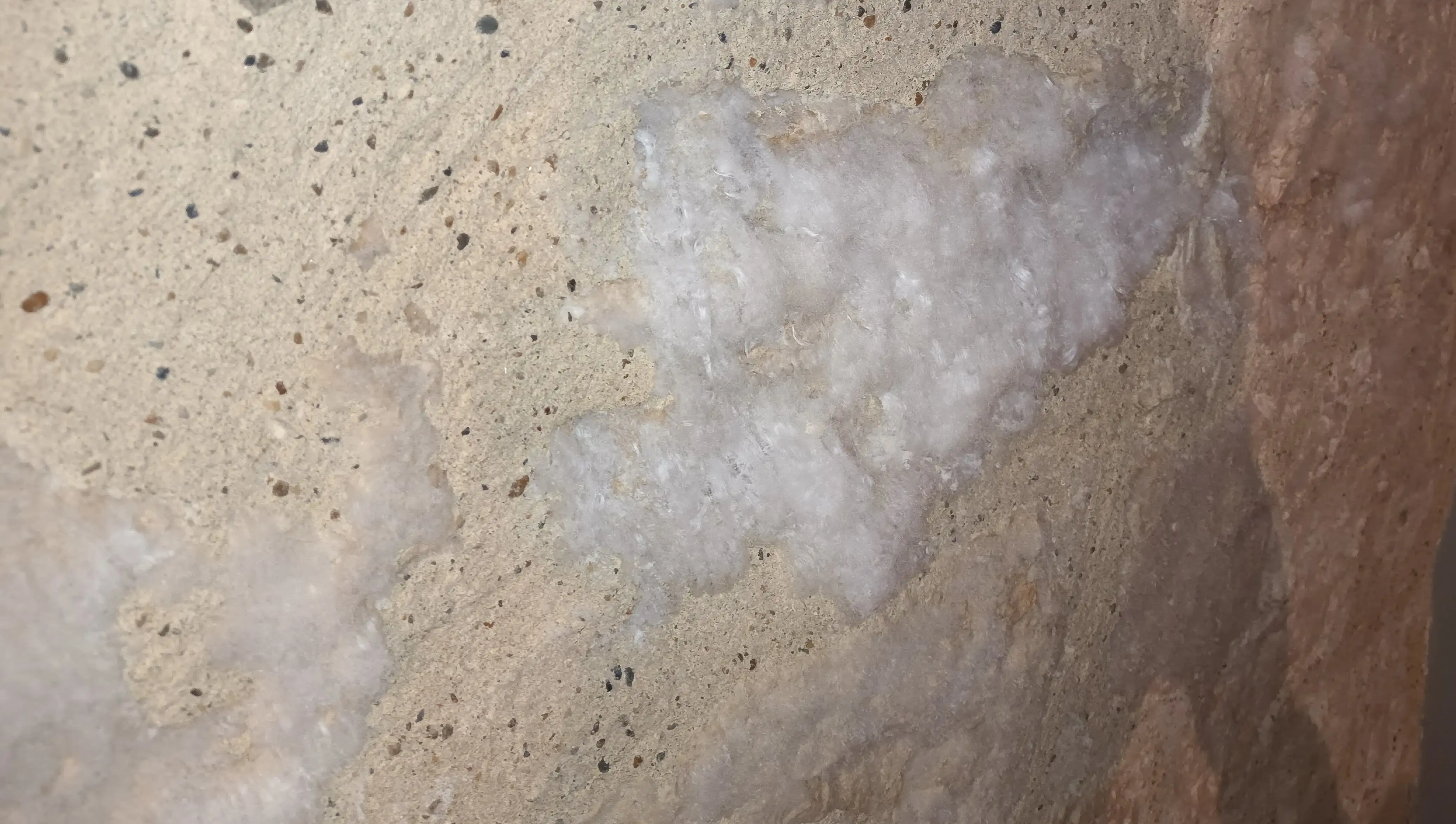
Moisture migrating through the wall also carries salts present in the materials and the ground. As these salts crystallize near the surface, they add mechanical stress on top of the vapor pressure, which speeds up the crumbling. This is why saltpeter often accompanies this issue.
- Rising damp: ground moisture absorbed through the bottom of walls, especially in older buildings.
- Water damage or leak: water entering the wall from a pipe, an appliance, or an incident.
- Infiltration: rainwater or outside moisture passing through the building envelope.
- Hygroscopic salts (saltpeter): carried by moisture, they crystallize and further weaken the plaster.
Why redoing the plaster too quickly is not enough
Redoing the plaster without treating the cause of the moisture exposes it to new deterioration, sometimes faster than the first: if the substrate stays damp, vapor will keep evaporating and pushing under the new plaster.
Some water-repellent or sealing products can temporarily limit the appearance of the issue, but they do not treat the water migrating through the wall. In some cases, by blocking evaporation in one spot, they can even shift the pressure and the issue to a nearby area.
What MURSAIN analyzes
Before considering any refinishing work, the analysis seeks to confirm the origin of the moisture and rule out other possible causes.
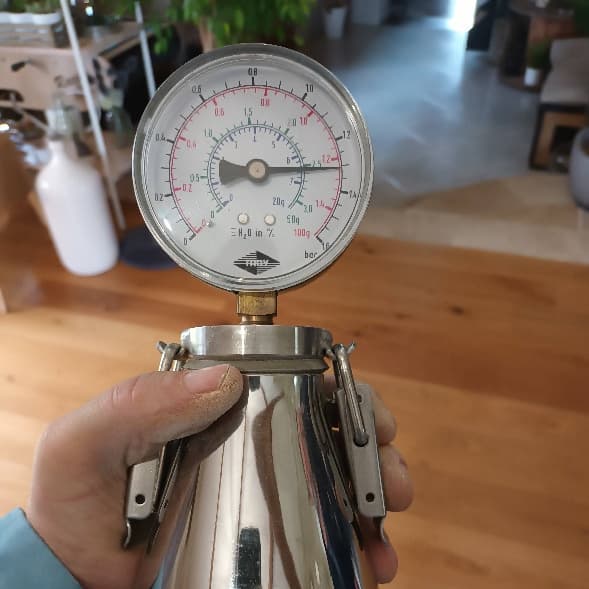
Several elements guide the diagnosis: the location and height of the crumbling, the presence of saltpeter or a damp band, the building's history (construction period, recent work), and any known water damage. A single wall can combine several causes, which makes this step even more useful before choosing a solution.
- Location and height of the crumbling
- Presence of saltpeter or a damp band
- Construction period and building history
- Known water damage or recent work
Useful information to prepare the diagnosis
For the first remote assessment, specify the room concerned, the height of the issue from the ground, and any recent water damage.
- Close-up and wider photos
- Height of the crumbling from the ground
- Context: incident, works, damp room
Frequently asked questions
Does friable plaster mean the wall has to be rebuilt?
Not necessarily. First, you need to understand the cause of the moisture and the wall's actual condition before deciding whether the plaster or the wall itself needs rebuilding.
Does crumbling plaster always come from rising damp?
No. Water damage or infiltration can produce a similar effect. The location and height of the issue help guide the diagnosis, which remains necessary to confirm the cause.
Can you just redo the plaster without treating the cause?
This exposes the wall to new deterioration if moisture remains present. Treating the cause before refinishing avoids redoing the work shortly after.
Continue your journey
Another coating weakened by the same evapotranspiration mechanism.
Saltpeter: causes, risks, what to do →The issue that often accompanies crumbling plaster.
Rising damp →The most frequent cause of plaster crumbling at the bottom of a wall.
Rising damp treatment →The MURSAIN method after diagnosis, with installation and follow-up checks.